
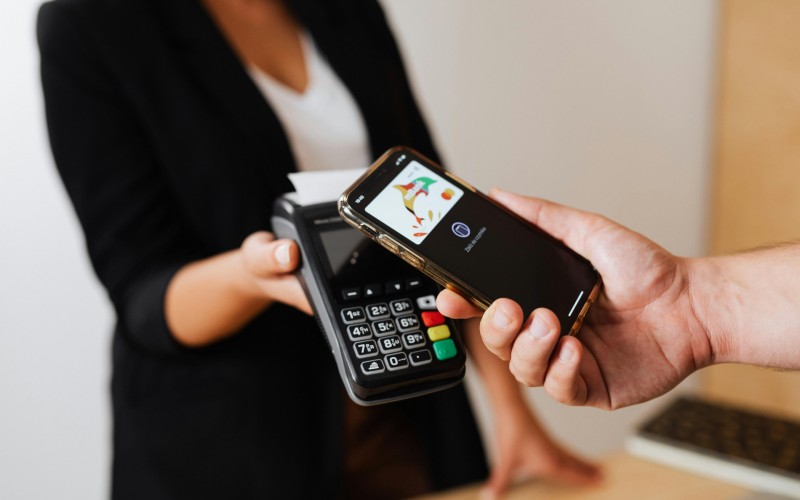
Mobile payments have absolutely dominated the way that over half the adults in the UK purchase goods and services. From everything to buying coffee or even paying for public transport, a phone tap is all that’s needed. According to the latest data from the BBC, over 50% of UK adults were registered with and used mobile wallets, such as Apple Pay and Google Wallet, in 2024 alone. From those numbers, over half of all adults used mobile payments at least once a month. This number is higher than 2023’s monthly mobile payment usage by 16%.
The truth of the matter is that mobile payments are convenient, but that isn’t the entire story. There is also an important focus on who is leading the so-called ‘Wallet Wars,’ paving the way for safe mobile transactions. Going into 2026, are the big leagues like Google Pay and Apple Pay going to have competition?
The two have dominated the mobile space for years, even partnering with some services and businesses to build customer retention. For consumers who frequently use their Apple and Android devices, these payment methods are ubiquitous and well-connected with almost everything else. However, this dominance is likely to invite competition that focuses on areas where innovation can be best placed.
A potential contender showing up on the scene is Curve Pay. Built by UK fintech company Curve, instead of locking buyers into a device, it acts more like your average wallet. It consolidates several cards into one digital wallet so users can switch between them even after a transaction has been made. Added benefits include foreign exchange fees, stacking rewards, and simple manoeuverability between banking networks.

However, the rapidly developing technologies that play most into the consumer’s decisions include open banking for bank-to-bank payments to bypass traditional card networks and AI-driven fraud detection to improve transaction safety and speed up the process. These changes mean that no challenge needs to beat Apple or Google; they just need to offer flexibility, lower fees, and genuinely innovative features.
Another big aspect of the mobile payment method involves engaging in digital entertainment of all kinds, including pay by mobile casino experiences, putting an emphasis on convenience. The rise of mobile-first shows just how deeply smartphone-native payments have been woven into how consumers experience their digital lifestyles, as well as which of the biggest payment contenders they prefer.
For businesses, especially those involved in e-commerce, gaming, and other high-frequency or microtransactional purchasing, offering varied payment options isn’t just convenient, it’s essential. Fast and easy payment has become the norm for more than 50% of UK adults, and that number is only going to rise as the years pass by.
Going toward 2026 and beyond, the wallet wars will be anything but over. If anything, mainstream payment methods and new technologies will reshape what digital wallets can do, likely allowing for a new challenger to step forward. Giving consumers and merchants more dynamic payment ecosystems than ever before might bring new challenges and innovations, with those who care most contributing in ways never seen before.