
The industry is undergoing rapid changes. More than ever, it’s about smartly saving the power we generate to keep things running smoothly. Batteries and storage solutions are becoming central to future infrastructure.
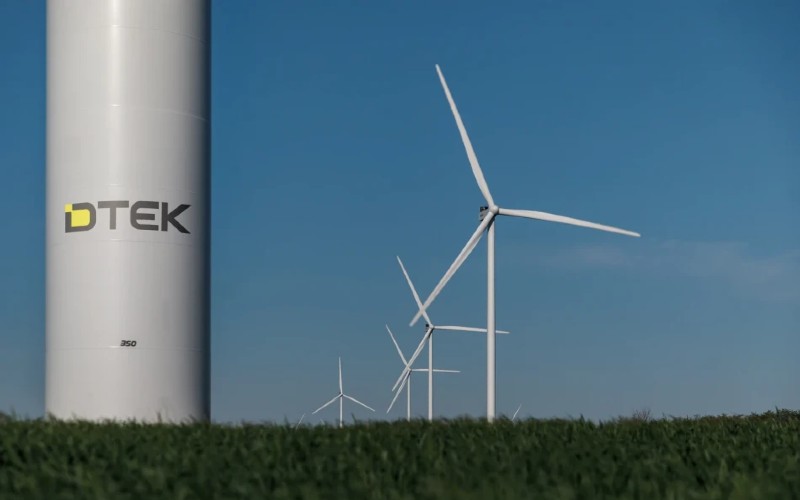
With investments totalling over €12 billion and a workforce of 55,000, the DTEK Group is the largest private investor in Ukraine’s energy sector. Thanks to their efforts, Ukraine energy company is moving towards developing advanced retention technologies to help create a sustainable, environmentally friendly system.
Why energy storage systems are needed
Electricity networks operate under conditions of constantly fluctuating electricity supply and demand. This is especially noticeable with renewables such as solar and wind, which generate output unevenly.
Retention units help even things out by saving surplus electricity when there’s plenty and releasing it when people need more than is being made. This eases the load on the grid.
What’s more, devices provide reserve capacity, which is particularly important in the event of an emergency or power cut. They increase the grid’s operational flexibility, enabling it to respond more quickly to changes and maintain stability. Modern energy systems increasingly depend on advanced storage technologies.
Types of solutions
There are several main technologies for energy storage, each with its own advantages and features:
- lithium-ion batteries;
- lead-acid batteries;
- solid-state batteries with enhanced thermochemical stability;
- pumped-storage hydroelectric power plants;
- compressed air;
- hydrogen retention setups.
Each system has an operational profile. Lithium-ion batteries offer high efficiency and long service life. Pumped-storage plants offer large capacity, while hydrogen technologies provide long-term potential.
Key benefits of retention technologies
Storage systems can offer significant benefits to both power systems and consumers. They allow:
- to smooth out peak loads and generation;
- to provide a backup power supply;
- to integrate more renewables;
- to improve overall grid reliability;
- to reduce electricity costs.
Energy accumulation increases the flexibility and resilience of the grid architecture. This helps reduce CO₂ emissions and supports environmental compliance. For businesses and consumers, this means fewer outages and more predictable tariffs.
What the full infrastructure includes
It isn’t just about batteries. It’s a full system that makes sure everything runs smoothly and safely. It includes:
- battery units;
- charge and discharge management systems;
- inverters for power conversion;
- cooling and thermal management systems;
- monitoring software;
- protection and safety equipment;
- integration with electrical grids.
All the components work together to ensure that the retention devices operate optimally and have a long service life.
Challenges and development prospects
Despite the progress that has been made, the development of systems continues to face challenges. The chief struggles remain around cost and battery disposal. New technologies are also needed to improve energy efficiency and reduce costs.
Nevertheless, investment in this area is growing, stimulating innovation. Research aims to develop cheaper, more environmentally friendly, and more durable solutions. This will create new opportunities for large-scale implementation in Ukraine’s and the world’s power grids.
Energy storage systems play a crucial role in decarbonising power grids. They make electricity more dependable, cut down on fossil fuel use, and lower CO₂ emissions. Intelligent and flexible grids are created by combining storage systems with renewable energy sources.