
The events industry has undergone a structural shift over the past few years, moving from traditional in-person formats to more flexible, scalable models that blend physical and digital experiences. What initially emerged as a response to disruption has now evolved into a long-term strategy for growth. Hybrid events are no longer a temporary solution, they are becoming a core component of how B2B audiences engage, learn, and network.
For UK-based event organisers and production agencies, this shift presents both a challenge and a significant opportunity. While demand for hybrid formats continues to rise, many businesses are still navigating how to effectively integrate digital elements without diluting the value of in-person experiences. Those that are succeeding are not simply adding livestreams; they are redesigning their event strategies around data, technology, and audience behaviour.
The Scale and Momentum of the Hybrid Events Market
The hybrid events market has grown rapidly, driven by changing audience expectations and advancements in digital infrastructure. B2B professionals increasingly expect flexibility in how they attend events, whether that means joining remotely, accessing on-demand content, or engaging across multiple touchpoints before and after the event itself.
This shift has expanded the total addressable audience for event companies. Rather than being limited by venue capacity or geographic reach, organisers can now engage participants globally. As a result, hybrid formats are not just an extension of traditional events, they represent a new model for scaling audience engagement and revenue generation.
Why Many Event Businesses Are Still Under-Investing
Despite the clear growth trajectory, a significant portion of event businesses remain under-invested in hybrid capabilities. In many cases, hybrid is treated as an add-on rather than a strategic priority. This often leads to fragmented experiences where digital attendees receive a secondary version of the event rather than a fully integrated offering.
This gap is increasingly difficult to justify as the economics of hybrid become clearer. The expansion of reach, combined with extended content lifecycles and additional revenue streams, has shifted expectations across the industry. Within this context, the hybrid events opportunity reflects how scalable formats are reshaping growth models for event businesses that are willing to adapt.
What Separates High-Performing Hybrid Event Companies
The companies that are successfully capitalising on hybrid events tend to share a common set of characteristics. First, they approach hybrid as a core business model rather than a supplementary feature. This means designing events from the ground up to serve both in-person and remote audiences equally.
Second, they invest in technology that supports seamless integration between physical and digital experiences. This includes platforms for live streaming, audience interaction, and content distribution that extend beyond the event itself. Finally, they prioritise audience experience, ensuring that both formats deliver value and engagement rather than competing for attention.
Technology as a Strategic Enabler
Technology plays a central role in the success of hybrid events. Beyond basic streaming capabilities, advanced platforms enable real-time interaction, personalised content delivery, and detailed audience insights. These tools allow organisers to create more engaging experiences while also collecting valuable data on attendee behaviour.
For event production agencies, this represents a shift from logistics-focused execution to technology-driven strategy. The ability to select, integrate, and optimise digital tools has become a competitive advantage. Those who invest in the right infrastructure can deliver more sophisticated events that resonate with modern audiences.
The Role of Data in Audience Growth
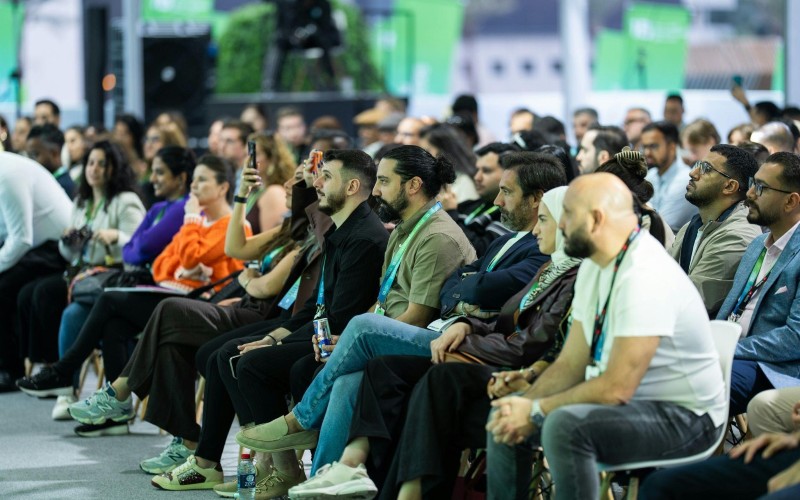
Credit: Carlos Gil, Unsplash
One of the most significant advantages of hybrid events is the ability to capture and analyse data at every stage of the attendee journey. From registration and engagement to post-event interactions, data provides a comprehensive view of how audiences behave and what they value.
Smart event companies use this data to refine their strategies continuously. They can identify which content drives engagement, which formats perform best, and how different audience segments interact with the event. This data-driven approach enables more targeted marketing, improved content planning, and stronger long-term relationships with attendees.
Marketing Sophistication in the Hybrid Era
Hybrid events require a more sophisticated approach to marketing than traditional formats. Instead of promoting a single date and location, organisers must build campaigns that engage audiences across multiple channels and stages. This includes pre-event content, live engagement, and post-event follow-up.
Effective marketing strategies leverage data to personalise messaging and reach the right audiences at the right time. This might involve segmenting attendees based on interests, tailoring content to different formats, or using automation to maintain engagement throughout the event lifecycle. As competition increases, marketing sophistication becomes a key differentiator.
Redefining Audience Strategy for Hybrid Success
Audience strategy is at the heart of successful hybrid events. Rather than treating all attendees the same, leading event companies recognise that in-person and digital audiences have different needs and expectations. Designing experiences that cater to both requires careful planning and a deep understanding of audience behaviour.
This might include creating exclusive content for virtual attendees, offering interactive sessions that bridge both formats, or structuring agendas that maximise engagement across channels. By aligning content and delivery with audience preferences, organisers can create more meaningful experiences that drive participation and satisfaction.
Authority Insight on Market Growth
Industry data continues to reinforce the long-term trajectory of hybrid formats within the global events sector. Statista highlights sustained growth in digital event adoption and increased investment in hybrid capabilities, reflecting broader shifts in how audiences engage with professional content and networking environments.
This data supports what many organisers are already experiencing in practice: hybrid is not a temporary adjustment but a structural evolution. As adoption increases, businesses that align their strategies with these trends are more likely to maintain relevance and capture emerging opportunities.
Content Longevity and Post-Event Value Creation
One of the most overlooked advantages of hybrid events is the extended lifespan of content. Unlike traditional formats, where value is concentrated within a fixed timeframe, hybrid events allow sessions to be recorded, repurposed, and redistributed long after the live experience ends. This creates ongoing engagement opportunities and allows event companies to maximise the return on their content investment.
By treating content as a long-term asset rather than a one-time output, event businesses can build continuous audience relationships. Recorded sessions, highlight clips, and follow-up materials can be integrated into broader marketing strategies, supporting lead generation and brand visibility over time. This shift from event-centric to content-centric thinking is becoming a key factor in how leading organisations sustain growth in the hybrid space.