
Today, the woman who subjected me and fellow victim Brad Burton (pictured) to years of relentless online stalking and harassment has been released from prison.
In October 2025, Samantha Wall was sentenced to 28 months in prison following a campaign of online abuse that devastated lives, damaged reputations and left us living in fear.
Less than 12 months later, she has been released, having served approximately a third of her sentence.
I understand that our prison system is under enormous pressure. I understand that difficult decisions are being made to address overcrowding.
But understanding the reasons doesn’t make the reality any less frightening.
I have spent the days leading up to her release feeling physically sick, anxious and scared.
There are significant safeguards in place to protect me, and I am enormously grateful to the police, probation service and my victim liaison officer for everything they have done.
But the emotional impact of stalking doesn’t disappear when someone is convicted. It doesn’t disappear when they’re sent to prison. And it certainly doesn’t disappear when they’re released.
For victims, the sentence may end. The fear doesn’t.
Four years of living under attack
For more than four years, my personal and professional life was subjected to a relentless campaign of online harassment.
False allegations, malicious posts, attacks on my reputation and attempts to undermine relationships and professional credibility became part of everyday life.
As someone who has spent much of my career working in technology, building communities, supporting entrepreneurs and championing innovation, social media is not simply somewhere I occasionally spend time.
It is part of how I work, connect and contribute. And that made the attacks particularly damaging.
People often underestimate online stalking because it happens behind a screen.
But when someone repeatedly publishes lies about you, targets your professional network and attempts to destroy your reputation, the consequences are very real.
You start questioning every notification. You worry about what colleagues, clients and friends might have seen. You become hyper vigilant.
The abuse follows you everywhere.
Our experiences attracted national media coverage, including BBC Panorama’s ‘My Online Stalker’ and Channel 4’s ‘Social Media Monsters’.
I spoke publicly because I wanted people to understand how devastating online stalking can be.
It took an enormous amount of persistence to achieve justice. But even a criminal conviction hasn’t resolved one of my biggest concerns.
Why is a convicted stalker still on LinkedIn?
This is the question I have been asking for months.
LinkedIn was one of the platforms used during the campaign of harassment against me.
Yet despite a criminal conviction and prison sentence, the account associated with the perpetrator has continued to have a presence on the platform.
I have already written an open letter to LinkedIn calling for action. The issue has been covered by BusinessCloud and other publications.
Yet I still don’t feel that the platform has adequately addressed the fundamental problem.
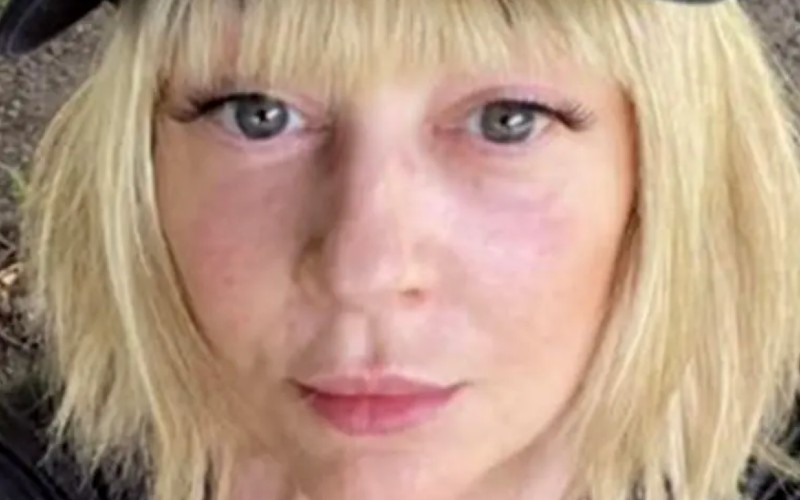
Convicted online stalker Sam Wall has been released early from prison
How can someone be convicted of serious online harassment, sent to prison, and still retain access to the very platform used to facilitate that abuse?
Why should victims have to spend years reporting content, chasing responses and fighting to protect their reputations?
And why does the responsibility for staying safe so often fall on the victim rather than the technology companies whose platforms are being misused?
This isn’t just about LinkedIn.
For business owners, founders and professionals, an online reputation is directly connected to livelihoods, commercial opportunities and trust.
Technology companies cannot continue to talk about trust, safety and responsible innovation while leaving victims to navigate these situations largely alone.
Convicted online stalkers: No Platform for Abuse
I want to turn my experience into something that creates meaningful change.
That is why I am calling for a campaign: Convicted online stalkers: No Platform for Abuse.
The principle is straightforward.
When someone has been convicted of using a social media platform to stalk or seriously harass another person, there should be clear, consistent consequences for their continued access to that platform.
I am calling for a common industry standard that would require social media companies to:
- 1. Act on verified criminal convictions;
- 2. Suspend or remove accounts where there is a demonstrated risk;
- 3. Remove content used in criminal harassment;
- 4. Prevent repeat abuse through replacement accounts;
- 5. Provide proper safeguards and accountability.
This is not about permanently excluding everyone who has committed an offence from digital life.
It is about recognising that when a platform has been used as a tool to commit a crime, the company operating that platform has a responsibility to prevent it from being used to cause further harm.
A criminal conviction should mean something, and victims should not have to become campaigners simply to get platforms to listen.

Online safety must mean more than removing offensive posts.
We have made progress in recognising online harms, including through the Online Safety Act, but legislation alone is not enough.
We need social media companies to demonstrate that they understand the difference between an isolated offensive comment and a sustained, criminal campaign of stalking and harassment.
We need reporting systems that recognise patterns of abuse, not just individual posts.
We need proper communication between platforms, law enforcement and relevant authorities, with appropriate safeguards around personal information.
And we need victims to have a meaningful route to escalate concerns when a criminal conviction has already established that serious abuse has taken place.
I would like to bring together LinkedIn and other technology companies, Ofcom, MPs, the Victims’ Commissioner, law enforcement and organisations supporting victims of stalking to develop a practical, proportionate industry standard.
I know there are complexities around enforcement, rehabilitation and freedom of expression.
Those are important considerations, but complexity cannot become an excuse for inaction.
Why should victims be the ones forced offline?
Throughout this experience, people have suggested that I should leave social media, ignore the posts or simply stop looking.
But why should I?
Why should someone who has committed no crime have to withdraw from their professional community, limit their opportunities or change how they live and work?
We should not have to disappear from social media to escape our stalkers.
The platforms need to stop giving convicted online abusers the tools to continue.
I know I’m not the only person who has experienced this.
And I know that many victims don’t have the professional networks, visibility or support to make their voices heard.
Nobody should need national media coverage, years of persistence or a public profile to be taken seriously.
A call to the technology industry
I have spent much of my career championing the positive impact of technology.
I believe in its power to connect people, create opportunities and change lives.
But with that influence comes responsibility.
I want to work with people across the technology industry, government, law enforcement and the voluntary sector to turn No Platform for Abuse into a meaningful campaign for change.
I want technology companies to take the lead rather than wait to be forced into action.
I want policymakers to consider whether existing protections go far enough.
And, most importantly, I want victims of online stalking to know that their experiences matter and that they should not have to fight these battles alone.
I cannot change the decision to release my stalker after serving approximately a third of her sentence.
I cannot undo the damage that four years of harassment caused to my life, my family and my professional reputation.
But I can use my voice, my experience and my network to try to make things better for others.
A criminal conviction should have consequences online, not just offline.
And if we are serious about making the internet safer, protecting victims of convicted online stalkers is surely a good place to start.