
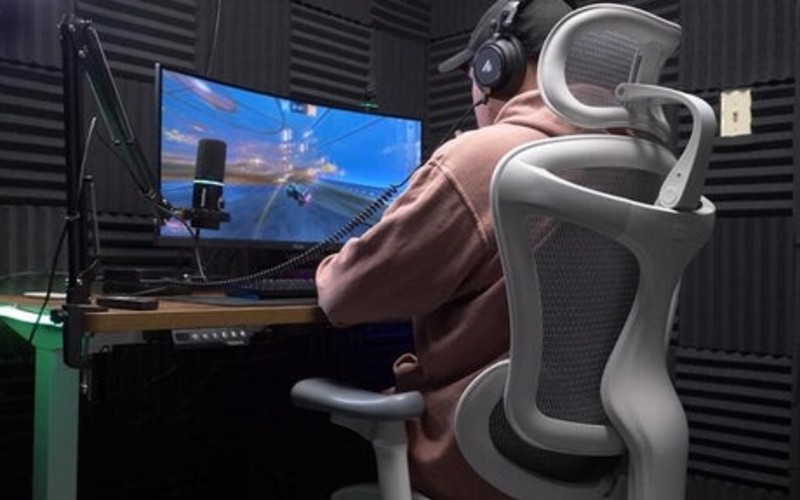

Ergonomics isn’t a trend — it’s a practical response to how modern work actually happens. We don’t sit for a neat, uninterrupted hour. We sit through long stretches of typing, video calls, reading, creative work, and quick pauses that never feel long enough. Over time, tiny strains add up: shoulders creep upwards, the lower back tires, and concentration fades.
The aim of ergonomic seating is simple: support the body in a more neutral position, make posture changes easier, and reduce the “background effort” it takes to stay comfortable. An ergonomic chair can’t replace movement, but it can make the hours you do spend sitting feel more manageable.
Ergonomics starts with one principle: movement beats perfection
Many people think ergonomics means finding one perfect posture and holding it all day. In practice, that often backfires. The body benefits from variation. Leaning forward to focus, sitting upright for conversation, reclining briefly to reset — these are normal patterns. A good ergonomic setup supports those transitions instead of punishing them.
The most useful question isn’t “Am I sitting perfectly?” It’s “Can I change position easily, and do I still feel supported when I do?”
The key ergonomic zones your chair should support
Lower back: consistent lumbar support
The lower back is a common trouble spot during long desk days. When lumbar support disappears as you shift position, your body compensates. Over hours, that compensation becomes fatigue. Chairs designed with dynamic or responsive lumbar support aim to keep the lower back feeling “held” across everyday movement, not only in one fixed posture.
Arms and shoulders: stable support to reduce tension
Shoulder and neck tightness often begins with “floating arms” — forearms unsupported while typing or using a mouse. Adjustable arm support helps you keep shoulders relaxed and reduce the load on the upper body. The goal is simple: arms supported, shoulders down, and wrists working without strain.
Seat comfort: pressure distribution over long sessions
Ergonomics isn’t only about the backrest. The seat matters too, especially the front edge. A well-shaped seat can help reduce pressure under the thighs and maintain comfort as hours pass. This is one of the biggest differences between “fine for an hour” and “still comfortable after a long day”.
Breathability: maintaining comfort as the day goes on
Heat build-up and poor airflow are common reasons people feel restless in a chair. Breathable materials, such as mesh, can help keep the sitting experience more consistent — particularly during busy periods when you take fewer breaks than you should.
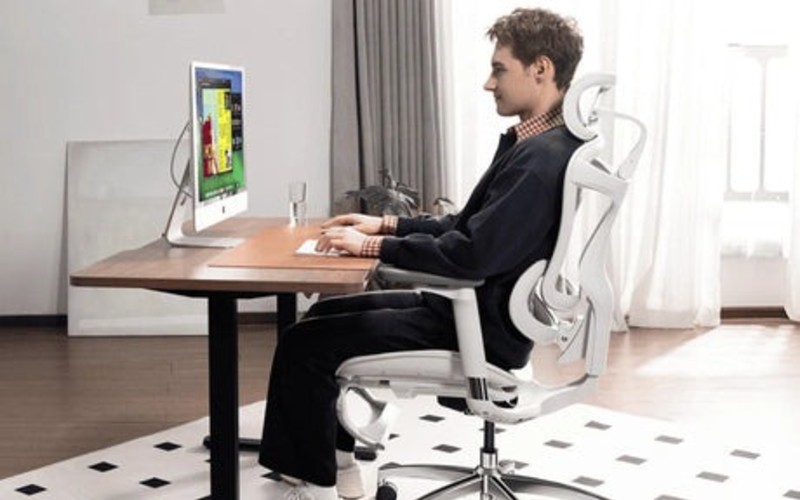
Sihoo ergonomic chair
How to set up ergonomic sitting in under five minutes
- Feet grounded: keep feet flat on the floor (or use a footrest) to improve stability.
- Seat height first: adjust so thighs feel comfortably supported and you’re not perching on the edge.
- Shoulders relaxed: bring the chair close enough that you’re not reaching forward to the keyboard.
- Arm support: adjust armrests so forearms can rest without lifting the shoulders.
- Use recline intentionally: lean back briefly between tasks to encourage posture variation.
These aren’t strict rules — they’re quick anchors. Ergonomics works best when it feels easy to maintain.
Ergonomic design in practice: where Sihoo fits in
This is the space Sihoo focuses on: ergonomic seating designed for everyday routines, with support features intended to remain useful across posture changes, breathable materials for long-session comfort, and adjustments that are practical rather than overly complicated.
If you’d like to explore Sihoo’s approach to ergonomic seating, you can find official information and the full range on https://uk.sihoooffice.com/.
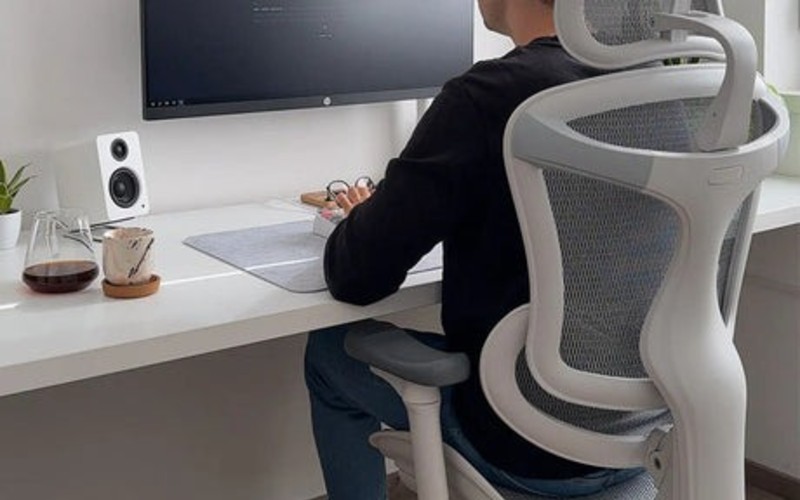
Sihoo ergonomic chair
A relevant example: the Sihoo Doro C300
Within that philosophy, the Sihoo Doro C300 is an example of a chair designed around movement-friendly support: breathable mesh surfaces, multi-direction adjustability, and a structure intended to keep support consistent across the day.
- Dynamic lumbar support designed to stay engaged as posture shifts
- Breathable mesh back and seat to help maintain comfort over long sessions
- Multi-direction armrests to better match different tasks and desk heights
- Head support for moments of recline and recovery
- Smooth recline mechanism to encourage posture variation
Important note
Ergonomic furniture can improve everyday comfort and support, but it isn’t a medical device. If you’re experiencing persistent pain or symptoms, it’s best to speak with a qualified professional.
Ultimately, ergonomic sitting isn’t about getting everything perfect. It’s about reducing strain, supporting natural movement, and making long desk days feel lighter — one adjustment at a time.