
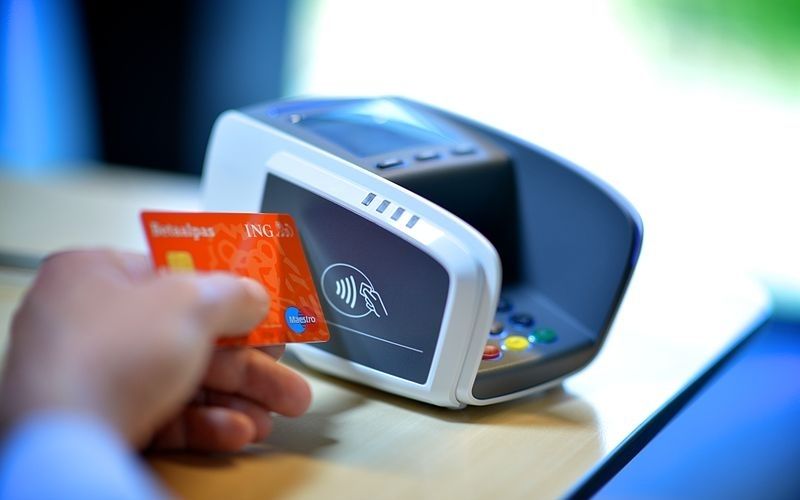
The £100 limit for contactless payments is to be removed, with banks and payment providers to be allowed to set their own limits from March 2026.
The Financial Conduct Authority says that they must demonstrate strong fraud controls to do so.
The move will allow them to better respond to changing consumer demands, inflation and new technology, the FCA said.
They are also being encouraged to let customers set their own limit, or turn contactless off altogether, as many high street banks already do.
Existing consumer protections remain in place, while consumers must be reimbursed in unauthorised fraud cases, such as if their card is lost or stolen.
Research by Barclays found that almost 95% of all eligible in-store card transactions were contactless in 2024.
Jonathan Frost, director of global advisory for EMEA at BioCatch – a cybersecurity firm which uses behavioral biometrics to prevent digital fraud and financial crime – warned that the move could have undesirable indirect effects.
“The direct impact is clear, giving consumers greater convenience while maintaining fraud protection; however, FCA estimates indicate the change could cause up to £31.3 million per year in additional contactless fraud, representing a 131% increase.
“The core question is whether raised limits will trigger long-term impacts, such as shifts in criminal behaviour. In Spain, higher-value contactless transactions require a PIN to combat fraud.
“There is also a broader ecosystem impact to consider. Some retailers are reluctant to accept contactless payments due to the abuse of chargeback fraud. This friction risks undermining the very convenience the policy is designed to deliver.”
Shareholder revolt could save Monzo CEO TS Anil & oust chair
Chris Jones, managing director at PSE Consulting – a specialist business and technology payment systems company – said lifting the contactless limit “is not really about letting people spend more with a tap… it is about shifting responsibility across the payments ecosystem.
“The FCA is stepping away from a blunt, one-size-fits-all rule and putting the onus on banks and card providers to manage their own risk exposure levels… that significantly raises the bar for the industry.”
Richard Whittle, an economist at the University of Salford, reflected: “This move brings contactless cards in line with services such as Apple Pay, which are already unlimited. The idea here is that phone security features provide greater protection from fraud. And with device payments on the rise perhaps the overall impact of changing card contactless limits will be limited.
“Yet for many, the £100 limit may act as a psychological bulwark against higher spending. Particularly at times like Christmas, where the lead-up momentum and subsequent sales may encourage us to spend more than we want to.”
ANNA Money secures £10m to scale ‘at exactly the right moment’