
Strict recycling rules and the push for sustainability are changing the way UK companies deal with waste. Businesses everywhere are reconsidering their waste policies, recognising how compliance, environmental goals and cost control are all tied together.
Waste management hasn’t exactly been a hot topic in boardrooms, at least, not until recently. But thanks to new regulations, tougher environmental targets and more demanding public expectations, waste management has shifted from just another task to something bosses actually worry about.
All over the UK, businesses, big or small, are facing a whole new set of rules. Doesn’t matter if they’re building stuff, selling clothes, running hotels or delivering goods. Everyone’s expected to own up to the waste they generate, and that’s changing how companies collect, sort, recycle and report on their waste.
At first, some companies saw all these changes as just another headache. But now, plenty are seeing the upside: Lower landfill costs, stronger green credentials and better efficiency, all while staying legal.
The growing focus on environmental responsibility
The UK government’s long-term green ambitions are pushing this shift. Policymakers are serious about cutting landfill, boosting recycling and moving toward a circular economy.
Now it’s not enough for businesses to just get rid of waste properly, they’re expected to cut down on waste before it even starts, recycle as much as possible and keep materials in use for longer.
These changes mirror a bigger shift in how people think. It’s not just regulators and activists who care about environmental performance anymore.
The construction sector faces particular pressure
Construction has probably felt these regulatory changes hardest. Building and demolition create mountains of waste. So contractors, developers and infrastructure firms face a lot of pressure to up their waste game.
Site managers need to prove they’re disposing of waste responsibly, recycling as much as possible and following environmental rules. Messing this up means fines, delays and a hit to their reputation.
That’s why demand’s up for specialist waste managers who know the landscape. Take Kent, for example; many companies look to TW Services, who offer full waste solutions with a big focus on skip hire. TW Services offers collection and recycling, and their big fleet helps businesses manage waste efficiently and stay compliant.
Simpler recycling reforms are changing expectations
One big development lately is England’s Simpler Recycling reforms. The goal is to make recycling rules clearer and more consistent.
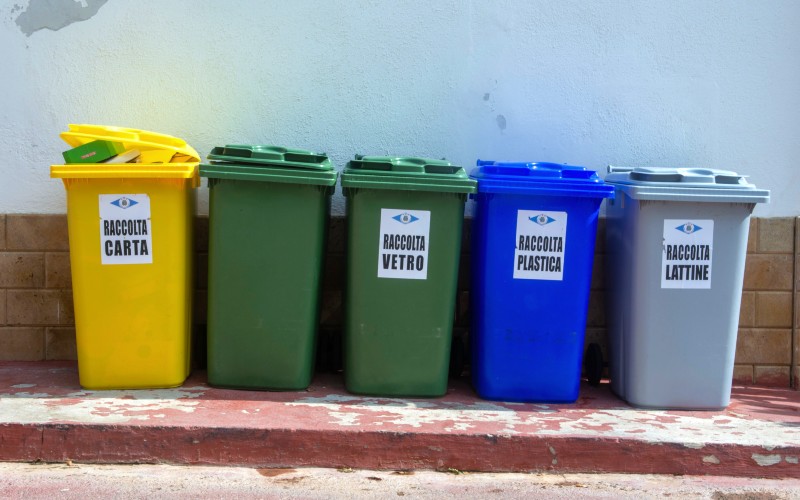
What does that mean for businesses? Well, they need to separate their recyclable materials more carefully. Food waste, paper, cardboard, glass, plastics and metals now all need their own bins and handling.
Data and reporting are becoming more important
There’s also a bigger push for tracking and accountability. These days, companies need to know how much waste they produce and show they’re managing it properly. Accurate reporting is now a big part of staying compliant and running sustainability programmes.
Using data helps businesses find hidden problems, like recyclables ending up in the wrong bins or wasteful processes nobody noticed before.
Cost pressures are driving innovation
Regulations are a big deal, but money matters, too. Landfill fees keep rising, so cutting down on waste is starting to make sense financially. It turns out, green practices often save money as well.
Tech is making a difference; smart bins, digital tracking, advanced recycling tech help companies monitor waste and recover more resources.
Waste management is changing
Waste management in the UK is changing fast. New rules are nudging businesses to ditch old ways and start focusing on recycling, accountability and using resources wisely.
Adjusting to new demands isn’t always easy, but the payoff is becoming clear. Smarter waste management cuts costs, improves environmental performance and builds trust with customers, investors and regulators.