
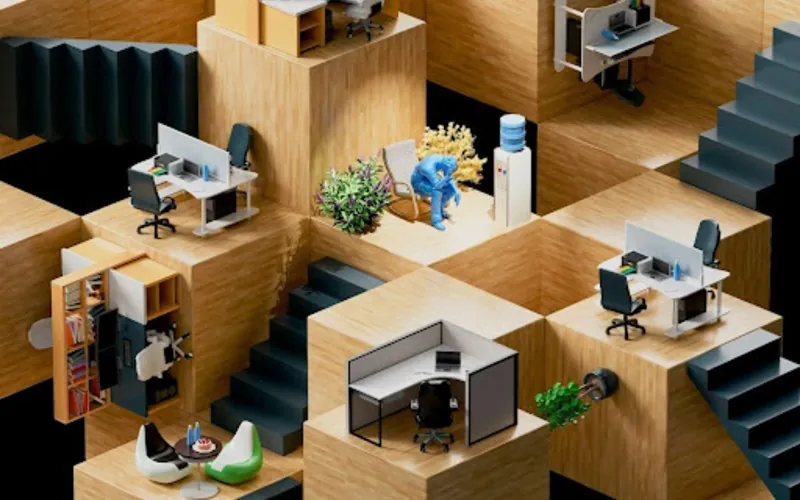
The modern workplace has undergone a radical transformation. Gone are the days of sterile, grey cubicle farms and harsh fluorescent lighting. As businesses across the UK adapt to hybrid working models and prioritise employee wellbeing, office design has become a strategic tool for productivity, recruitment, and brand identity. In 2026, the focus has shifted towards creating environments that feel less like a traditional office and more like a curated, comfortable space that fosters both focus and collaboration.
Whether you are renovating a startup studio in Shoreditch or refreshing a corporate headquarters in Birmingham, understanding the current aesthetic and functional shifts is essential. Here are the key trends defining the modern workplace this year.
The Rise of Residential-Style Comfort
The “resimercial” trend—a blend of residential and commercial design—continues to dominate. Employees who have grown accustomed to the comfort of home working expect their office environments to reflect that same level of ease.
This is achieved through the use of soft textures, warm lighting, and lounge-style furniture. Instead of rigid, rows of desks, companies are investing in breakout areas equipped with plush sofas, ambient floor lamps, and natural fabrics. This design approach acknowledges that deep, focused work often happens in quiet, comfortable corners, while high-energy collaboration requires informal, living-room-style meeting spaces.
Sustainable Materiality and Texture
Sustainability is no longer a corporate buzzword; it is a fundamental design requirement. Businesses are moving away from cheap, disposable plastic fixtures in favour of durable, tactile materials that stand the test of time.
One of the most effective ways to introduce both texture and architectural interest into a workspace is through MDF panelling. MDF (Medium-Density Fibreboard) has become a staple for interior designers looking to create high-end, bespoke wall features without the prohibitive costs of solid timber.
By installing ribbed or slatted MDF panelling in reception areas or boardrooms, designers can instantly add a sense of luxury and structural depth. These panels offer excellent acoustic properties—essential in open-plan offices—and can be painted in sophisticated, muted tones to align with brand colours. The versatility of MDF allows for intricate geometric patterns or classic shaker-style aesthetics, ensuring that the office feels grounded, professional, and visually engaging.
Biophilic Design: Bringing the Outdoors In
Biophilic design remains at the forefront of workplace strategy, driven by the clear link between nature and mental health. However, the 2026 approach goes beyond simply placing a few potted plants in the corner.
Modern office layouts now integrate “living walls” that span entire partitions, skylights that maximise natural daylight, and the use of organic shapes in furniture design. Natural materials like light oak, stone, and recycled metals are being paired with MDF panelling to create a balanced, earthy atmosphere. By softening the boundary between the internal office and the natural world, companies are reporting higher levels of employee satisfaction and reduced stress levels during intense work periods.
Flexible and Modular Workstations
The traditional assigned desk is rapidly disappearing. In its place, we are seeing the rise of “hot-desking” modules that are easily reconfigurable. Agile offices require furniture that can adapt to changing team sizes and project needs.
Modular tables with integrated power supply, movable acoustic screens, and lightweight seating allow teams to restructure their space in minutes. This flexibility supports the hybrid worker, who may only come into the office for specific collaborative tasks. By designing a floor plan that can be “hacked” or rearranged by employees, businesses empower their teams to take ownership of their environment, fostering a sense of autonomy and engagement.
Acoustic Zoning and Privacy Pods
While the open-plan office encourages collaboration, it is often detrimental to tasks requiring deep focus. The modern solution is not to go back to enclosed offices, but to implement strategic acoustic zoning.
Privacy pods and soundproof meeting booths have become essential additions to the contemporary office. These compact units allow for private video calls, focused deep-work sessions, or small team huddles without disrupting the wider office flow. When these pods are integrated into the wider design scheme—perhaps framed by stylish wall treatments—they become a seamless part of the office landscape rather than an eyesore.
Conclusion: Designing for the Future
The modern workplace is no longer just a place to log hours; it is a destination. By prioritising comfort through resimercial elements, embracing sustainable solutions like MDF panelling for architectural flair, and ensuring the space can adapt to the evolving needs of the hybrid workforce, businesses can create environments that truly support their people.
Design in 2026 is about balance—the balance between privacy and collaboration, nature and technology, and functionality and aesthetic appeal. By investing in a workspace that reflects these values, companies can build a culture that attracts talent and sustains high performance for years to come.