
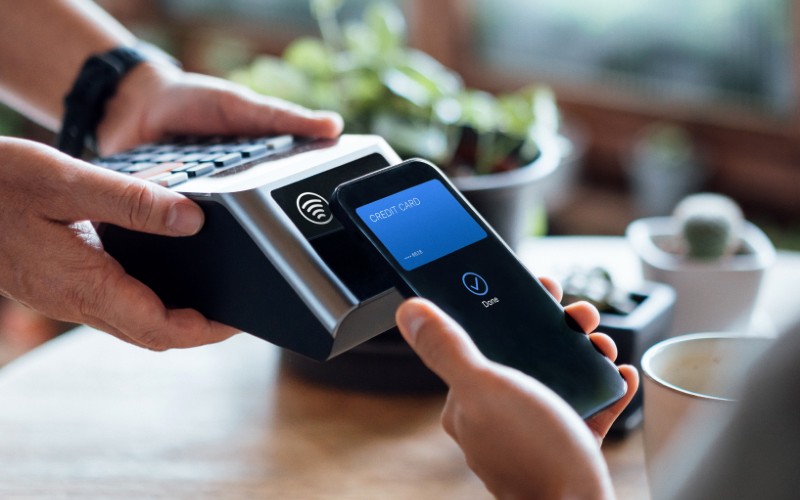
Running a bar means managing constant motion—guests arriving and leaving, orders piling up, staff shifting roles, and peak hours putting pressure on every process. Payment should never slow that rhythm. The right payment terminal supports service rather than interrupting it, seamlessly fitting into daily operations and giving staff the confidence to focus on guests, not technology.
Adapting the terminal to how your bar operates
Bars vary widely in layout and service style, so your payment terminal should fit naturally into that environment. Venues centered around a single bar counter often benefit from fixed terminals that stay in place and handle high transaction volumes efficiently—ideal for processing multiple orders in quick succession with consistency. Bars offering table service, terraces, or event spaces gain flexibility from portable terminals, allowing payments to be taken wherever guests are seated. This reduces queues, prevents crowding at the bar, and helps maintain a relaxed atmosphere even during peak times. The ability to switch between fixed and mobile setups gives bars greater control over service throughout the day.
Keeping service fast and intuitive
In a busy bar, usability matters just as much as functionality. A payment terminal should be simple enough for new team members to learn quickly, yet efficient for experienced staff working under pressure. Clear screens, responsive touch controls, and intuitive navigation minimize errors when orders start piling up. Fast payment confirmation lets bartenders move on to the next guest without hesitation. For customers, a familiar and straightforward payment experience feels natural and unobtrusive—whether they’re paying for a single drink or settling a larger tab. When the process runs smoothly on both sides of the bar, service feels professional and consistent.
Connecting payments with daily bar management
A payment terminal becomes more valuable when it works alongside the systems that keep the bar running. Integration with point-of-sale tools allows orders and payments to be recorded automatically, reducing manual input and keeping data aligned. In practice, this means fewer discrepancies at the end of the day and better visibility into what is selling. Some setups can work in tandem with bar inventory software, linking sales activity with stock movement and helping teams respond faster when certain items run low. When payments, orders and inventory are connected, managers gain a clearer picture of performance without adding complexity to daily routines.
Using data to improve decisions over time
Beyond processing transactions, a payment terminal can support better planning and long-term decision-making. Built-in reporting and analytics highlight patterns that are easy to miss during a busy shift, such as peak trading hours, popular payment methods or changes in customer behaviour. Access to this information allows bar owners to adjust staffing levels, refine menus or rethink service flow based on real activity. Instead of relying on assumptions, decisions are informed by consistent data gathered through everyday operations. Over time, this helps bars operate more efficiently while maintaining the experience guests expect.