


Cheating has always been one of the biggest threats to competitive integrity in Counter-Strike. With the release of Counter-Strike 2, Valve placed renewed emphasis on security, fairness, and long-term trust in the competitive ecosystem. At the center of this effort is Valve Anti-Cheat CS2, commonly known as VAC.
Many players encounter the term “VAC ban” without fully understanding what it means or how VAC works behind the scenes. This article provides a clear, practical explanation of the CS2 anti-cheat system, how cheating is detected, what has changed in CS2, and what players should realistically expect from Valve’s approach – especially important knowledge for anyone who wants to trade or sell CS2 skins safely without risking their account or inventory.
What Is Valve Anti-Cheat (VAC)?
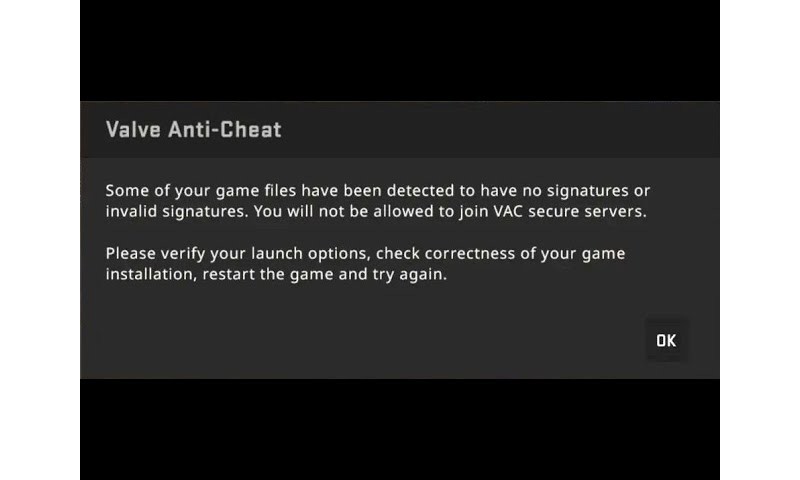
Valve Anti-Cheat is Valve’s proprietary cheating detection system, originally introduced in the early days of Counter-Strike. Over time, it has evolved into a multi-layered security framework used across many Valve titles, including CS2.
At its core, VAC is designed to:
- Detect known cheat software
- Identify abnormal behavior patterns
- Issue bans that protect competitive integrity
Unlike invasive kernel-level anti-cheats used by some other games, VAC operates with a more conservative approach, focusing on long-term detection rather than immediate punishment.
VAC System Explained: How It Detects Cheating
Understanding how VAC works requires knowing that it is not a single tool, but a collection of detection methods.
VAC primarily relies on:
- Signature-based detection of known cheat code
- Memory scanning for unauthorized modifications
- Behavioral analysis over time
When a cheat is detected, Valve often delays the ban. This delay is intentional. By banning cheaters in waves, Valve prevents cheat developers from quickly identifying which methods were detected.
This is why players sometimes see large ban waves instead of instant removals.
CS2 Anti-Cheat vs CS:GO Anti-Cheat
With CS2 running on the Source 2 engine, Valve gained more technical flexibility. While Valve has not publicly disclosed every change, CS2 cheating detection benefits from:
- Improved engine-level telemetry
- More detailed player behavior tracking
- Better data analysis across matches
- Tighter integration with matchmaking systems
While VAC itself remains familiar, the surrounding infrastructure in CS2 allows for more accurate detection of suspicious activity over time.
Why VAC Doesn’t Ban Instantly
One of the most common complaints from players is that cheaters aren’t banned immediately. This is by design.
Instant bans can:
- Reveal detection methods
- Allow cheat developers to adapt quickly
- Reduce long-term effectiveness
Instead, VAC prioritizes silent detection followed by delayed bans. While frustrating in the short term, this strategy is more effective at dismantling cheat networks rather than individual users.
Trust Factor and Matchmaking
In addition to VAC, CS2 uses a Trust Factor system. While not officially detailed, Trust Factor evaluates player behavior to influence matchmaking quality.
Factors believed to affect Trust Factor include:
- Account age
- Reports from other players
- Previous bans
- Game behavior consistency
VAC and Trust Factor work together to improve match quality, even before bans occur.
What Happens When You Get a VAC Ban?
A VAC ban is permanent and non-negotiable. Once applied, it:
- Prevents access to VAC-secured servers
- Applies only to the game where cheating occurred
- Cannot be appealed unless issued in error (extremely rare)
Importantly, VAC bans are tied to the account, not the hardware. Creating a new account does not remove the ban’s impact on your reputation.
Common Myths About VAC
There are many misconceptions surrounding Valve Anti-Cheat CS2:
- “VAC scans your entire computer” – False. VAC focuses on game-related processes.
- “VAC bans for performance tools” – False. Legitimate overlays and drivers are safe.
- “You can trick VAC by turning cheats off” – False. Detection often happens retroactively.
Understanding these myths helps players avoid unnecessary fear and misinformation.
How Legitimate Players Can Stay Safe
To avoid false flags and maintain account security:
- Never use third-party cheats or scripts
- Avoid suspicious launch options
- Keep drivers and OS up to date
- Only log in through official Steam windows
VAC false positives are extremely rare, but safe habits matter.
Anti-Cheat, Skins, and the Wider CS2 Economy
Anti-cheat systems don’t just protect gameplay – they protect the economy around CS2. Skins, trading, and competitive integrity are deeply connected. A cheating-infested environment reduces trust, which harms the entire ecosystem.
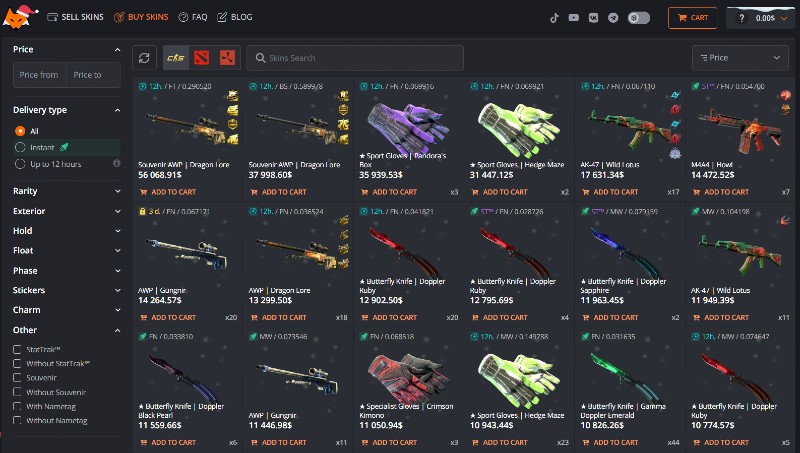
This is where platforms like LIS-SKINS play a complementary role. LIS-SKINS operates within Valve’s ecosystem using secure Steam trade offers and emphasizes account safety. By relying on official Steam integrations and avoiding risky shortcuts, trusted marketplaces align with Valve’s broader goal of maintaining a fair and secure CS2 environment – giving players confidence when they buy CS2 skins and manage their inventories responsibly.
A strong anti-cheat system and secure trading platforms reinforce each other.
Will VAC Ever Be Kernel-Level?
Valve has repeatedly avoided kernel-level anti-cheat solutions, citing privacy concerns and long-term sustainability. Instead, Valve favors:
- Data-driven detection
- Machine learning-assisted analysis
- Engine-level security improvements
While this approach may feel slower, it aligns with Valve’s philosophy of protecting users without excessive intrusion.
The Future of CS2 Anti-Cheat
Valve continues to iterate quietly. Unlike some developers, Valve rarely announces anti-cheat updates publicly. Changes happen continuously, often without patch notes.
As CS2 evolves, expect:
- More refined behavioral analysis
- Improved cheat detection accuracy
- Stronger integration with matchmaking systems
The goal is not perfection, but constant improvement.