
Europe has always been mad about cars. German factories churn out precision machines, Italian plants focus on style and passion, while Eastern Europe keeps expanding its production. Car makers are under huge pressure to go cleaner and greener, but they still have to deliver strong, reliable performance. That’s why the spare parts business stays so important.
Local garages, big fleet operators, and normal drivers all rely on a steady flow of good components. The spare parts trade has turned into a major economic player across the continent. Millions of vehicles are on the roads every day – some brand new, many much older – so the demand for quality replacements never really drops.
Real Problems Workshops Face Every Day
Workshop owners face plenty of headaches these days. Energy costs are through the roof, supply lines can break down without warning, and new EU rules keep landing on their desks. Mechanics waste hours searching for parts that actually match the original specs, while customers push for quick turnarounds. Sometimes delays are unavoidable.
A huge chunk of cars, especially in southern and eastern parts of Europe, are older models. They need proper mechanical bits that electric cars have moved on from. Newer cars bring their own complex electronics and parts. Trying to keep stock for both old and new engines is a constant struggle for suppliers and garage teams.
What Really Goes Into Engine Blocks
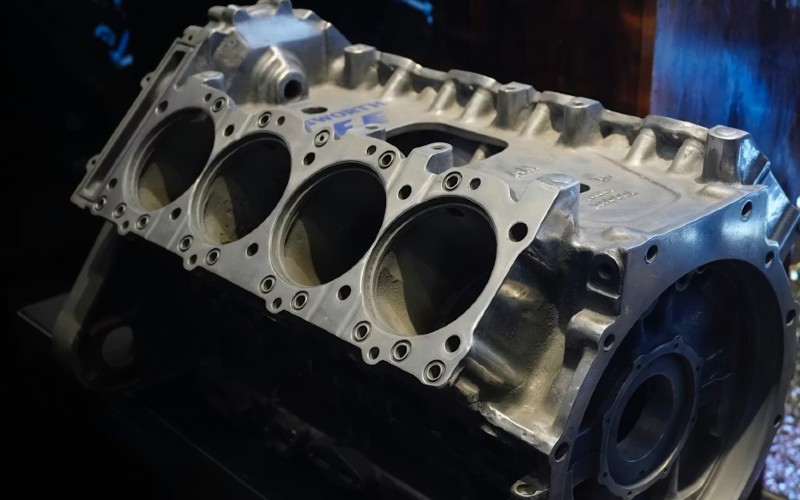
The engine block is still the backbone of most vehicles on the road. Factories keep trying new alloys and casting tricks to cut weight while holding onto strength and heat resistance. These changes bring better performance and efficiency, but they also push replacement costs around.
When you check engine block price, don’t just look at the number. Think about the material, how accurately it’s machined, whether it fits your exact engine code, and what warranty is included. A solid block can easily give your car another few hundred thousand kilometres, so it often pays for itself over time.
How Technology is Changing the Way We Buy Parts
Online systems have made sourcing parts much less painful. Live stock updates, clear diagrams, and proper cross-references help garages order the right thing first time. European buyers especially like suppliers who know the local realities – whether it’s high-speed motorways, mountain passes, or heavy city traffic.
There’s also a slow shift towards greener choices. More workshops are open to remanufactured or recycled-content parts as long as they don’t let the customer down on reliability.
Why Good Quality Still Beats Everything
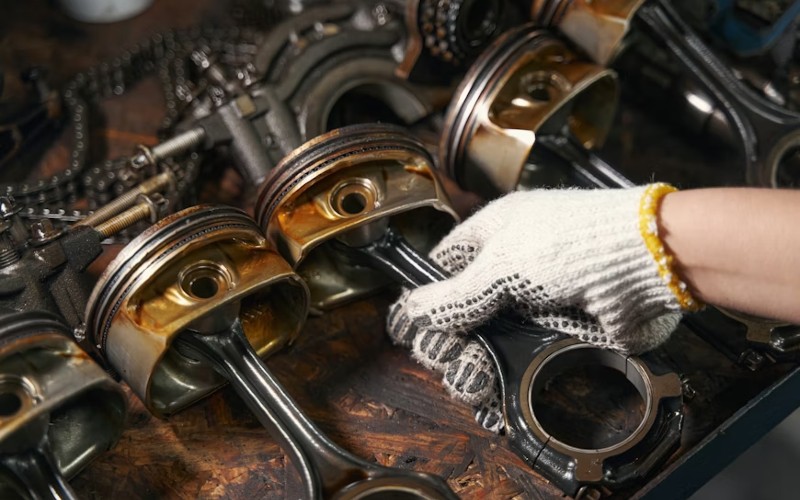
Mechanics learn the hard way that cheap parts usually cause more trouble than they’re worth. They fail early, leak, or create new problems that cost even more to fix. Trusted parts from proper supply chains just last longer and keep customers happier.
Good distributors don’t just sell – they advise. They help pick between original, solid aftermarket, or upgraded options, especially on big engine work where one wrong choice can lead to serious damage.
What the Future Holds for Spare Parts
Electric cars are growing fast, but they won’t push everything else out anytime soon. Millions of normal petrol and diesel vehicles will keep running for years, particularly for business and commercial work. That means traditional mechanical parts will still be needed alongside the new electric stuff.
Suppliers who stay flexible, keep prices fair, and deliver on time tend to win repeat business. Personal trust and proper support still matter a lot, even with all the new websites and apps.
Europe’s spare parts market is full of chances for businesses that actually understand cars and treat customers right. From packed city workshops to small garages in the countryside, real quality and consistency are what build a solid reputation.
In the end, it’s all about keeping vehicles safe, reliable, and moving on Europe’s roads. The industry keeps shifting, but the need for decent spare parts stays the same.