
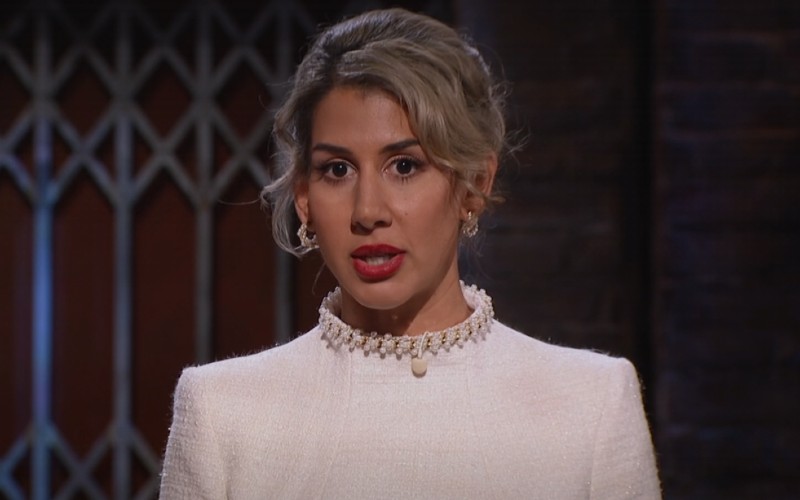

A dating app with a difference was pitched on Dragons’ Den tonight – and bagged an investor in Steven Bartlett despite being pre-revenue.
hati is a dating app launched in 2025 by Zaahirah Adam, who told the Dragons she founded the startup after a bad experience with being ghosted.
hati forgoes text messaging in favour of a five-minute phone call between people who are matched to see if they hit it off. It also eschews static photos in favour of voice and video profiles. Users must also be verified by three friends to guard against catfishing.

‘Zee’, as she is known, wants to change the game and says she is creating the next unicorn. At the time of filming last year, hati had 5,000 downloads.
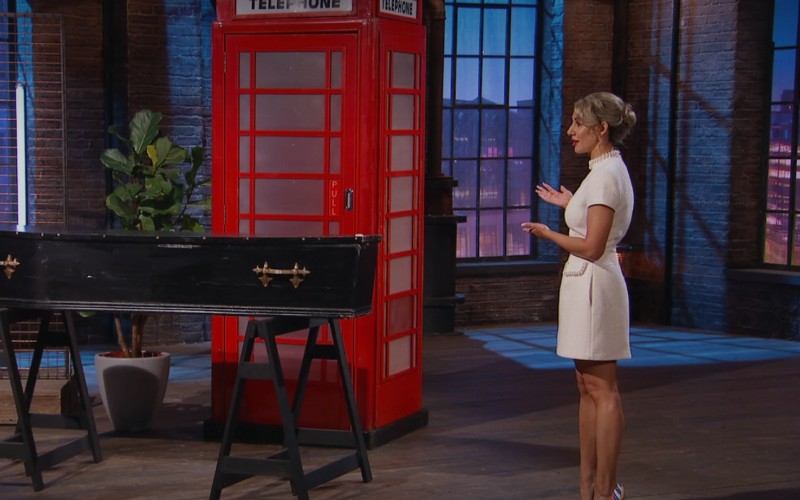
Looking for £150k for 5% of the business, she was forced to answer Deborah Meaden’s questions over revenue by confirming: “We’ve done £48 of revenue so far!”
hati aims to take a commission from dates scheduled and also integrate dating coaching – helping people to “be better dates”.
Touker Suleyman and guest judge Jenna Meek refused to invest. Also saying no was Peter Jones, who was surprised by the £3m valuation, given that Adam has little traction and hasn’t built a successful business before. Meaden cited the low barrier to entry in turning her down: “Your competitors could just see what you are doing and copy it.”
However Bartlett – who knows the founders of the world’s highest-profile dating apps – said there was a market for hati.
Sad fate of Jnck Bakery, pitched by ex-THG duo on Dragons’ Den
Describing it as a “perfect business for him”, he said £150k as a bet was too steep.
Adam wanted her man however – she had already described him as her perfect Dragon before entering the Den – and cited American investor Tim Ferriss, who has spoken about this problem before. Bartlett apparently knows Ferriss.
After some back-and-forth, they agreed a deal: £150k for 30% of the business.
Kibu
Also winning investment in surprising circumstances was Kibu founder Sam Beaney.
Its £40 sustainable, modular headphones for children between the ages of 5-11 are easily taken apart, repaired and recycled. People or kids can build the product, which doesn’t contain glue or screws; if a part breaks, it can simply be replaced.
All parts are 3D-printed in 30 minutes at their partner’s facility and made from recycled plastic made from corn and other products.
Beaney was asking for £65k for 10% of the business. However his partners design consultancy Morrama, 3D printing company Batch.Works, a brand agency and a web developer already owned two-thirds of the business.
Despite this, and Jones’s reservations about the price tag, Meek convinced him to come on board, with each Dragon committing £32,500 for 10% of the business.
Peter Jones breaks down as Health & Holistics founder is ‘gift to humanity’