

1. Don’t be a chicken
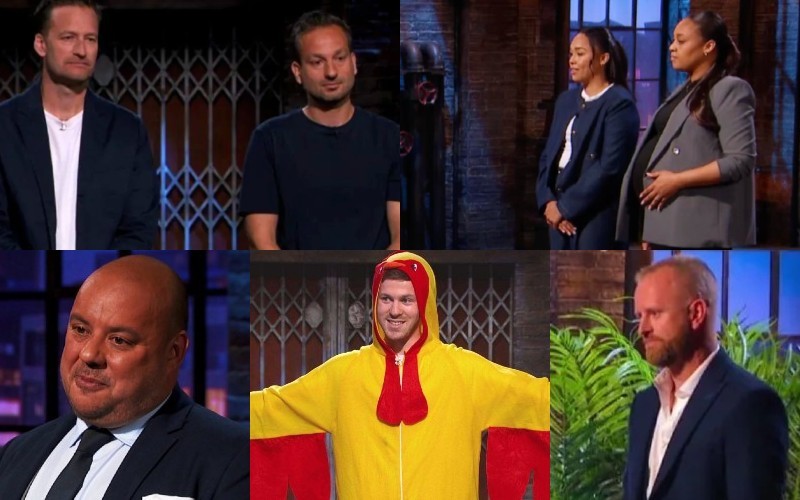
Fred Parry is the founder of Chicken Rush and appeared in the latest series of Dragons’ Den wearing a chicken costume.
He was looking for a £50k investment in exchange for a 10 per cent stake in his startup but left the Den empty-handed.
The tech developer has created a GPS-powered game of hide and seek and, despite not securing any offers, he urged other founders to follow his lead.
“Where else can you get free exposure, free business advice and perhaps (not free) investment for your business?” he said. “Life is short, just do it!
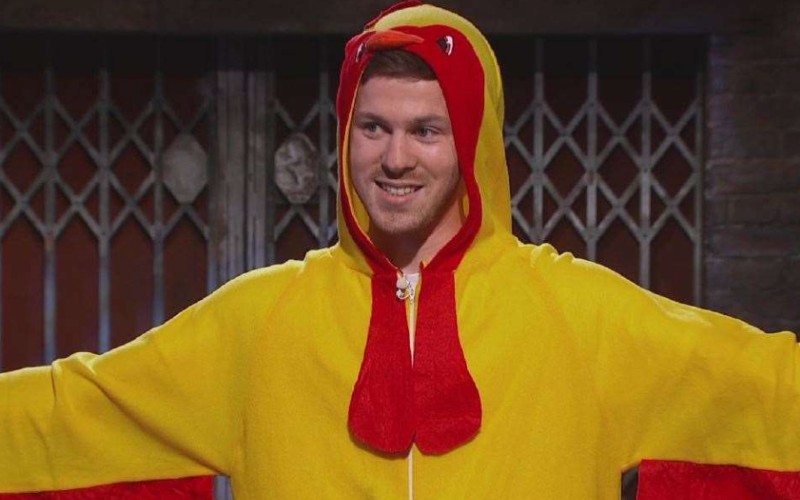
Fred Parry is the founder of Chicken Rush
“I’m perhaps biased, I was a big fan of the show growing up, so going on the show was a bit of a dream come true.
“But I’m a big believer in putting yourself in uncomfortable situations, and the Den is one of the most uncomfortable places around.
“When I’m in any stressful situations nowadays, I’ll relax a bit knowing that ‘at least it’s not as bad as Dragons’ Den’.”
However, Parry said the process is not great for impatient founders.

“It’s often a year between filming and airing, so your business could have changed entirely by the time the episode airs,” he said. “This happened for us and I’m not patient at all.”
Asked how his appearance in the Den had transformed his business, he said: “Two days after our episode aired, one of our chickens was running from Covent Garden to Soho. We had four different people go up to them and ask ‘weren’t you on Dragons’ Den?’
“The numbers are great. Our website has received an extra 20,000 visitors. We’ve had bookings across the UK, even one in Copenhagen!
“And we’ve seen some success speaking about our experience on social media, reaching over 600k views and gaining hundreds of followers.”
2. Keep your eyes open
Omid Moallemi and David Parr secured three offers from the Dragons for their digital gifting platform Prsnt.
The co-founders spent nearly three hours being grilled in the Den before eventually accepting a combined offer of £90k from Peter Jones, Sara Davies and Touker Suleyman in exchange for up to 12.5 per cent of the business.
BusinessCloud later discovered that none of the Dragons went on to invest, but following the TV appearance the Brighton-based startup enjoyed a 4,572 per cent sales surge and a 350 per cent increase in new customer acquisitions.
Asked if other founders should appear on the show, Moallemi said: “Do it, but go in with your eyes open. The Den is not a funding round. It’s a pressure test broadcast to millions of people.
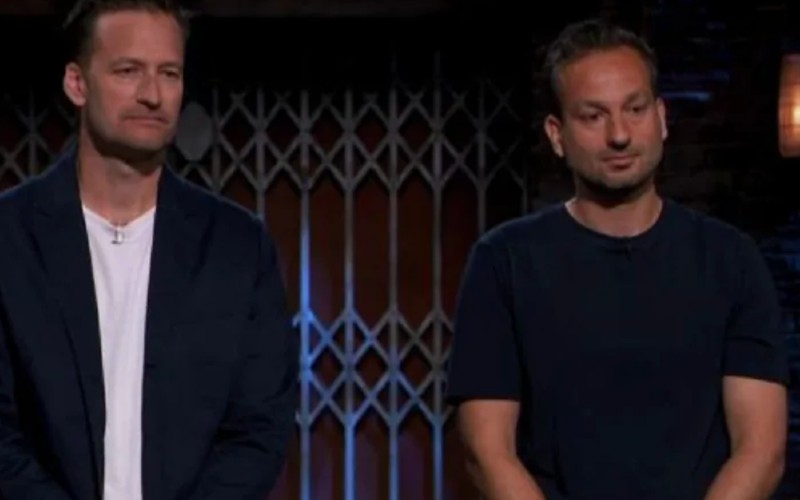
Omid Moallemi and David Parr, co-founders of digital gifting platform Prsnt
“The Dragons will find every weakness in your numbers, your model, and your conviction. That’s actually the point.
“The preparation alone is worth it, because it forces you to know your business inside out.
“Even if you walk out without a deal, you walk out sharper. For us, the exposure turned out to be more valuable than any cheque.”
He said the impact of their appearance on Dragons’ Den on Prsnt was instant.
“The night the episode aired, our inbound went through the roof,” recalled Moallemi. “The BBC stamp of credibility opened doors that cold emails simply couldn’t.
“But beyond the bounce, it gave us a reference point. Every conversation since has started differently. People have seen the pitch, they understand what we do, and they’re already bought in before we say a word.”
3. Have a clear story
Sisters Olivia and Tanyka Davson are the co-founders of Cubbi, a discount platform for new and expecting parents.
They secured a £50k investment from Tropic Skincare founder Susie Ma when they appeared in the Den in February and are now looking to raise a further £350,000 in seed funding.
Tanyka Davson had this advice for any founders thinking about entering the Den. “Appearing on Dragons’ Den can feel quite overwhelming and a bit of a scary prospect,” she said.
“That said, it’s also an amazing opportunity to get your business in front of a huge audience. If you truly believe in what you’re building, it’s something I would absolutely encourage founders to consider.
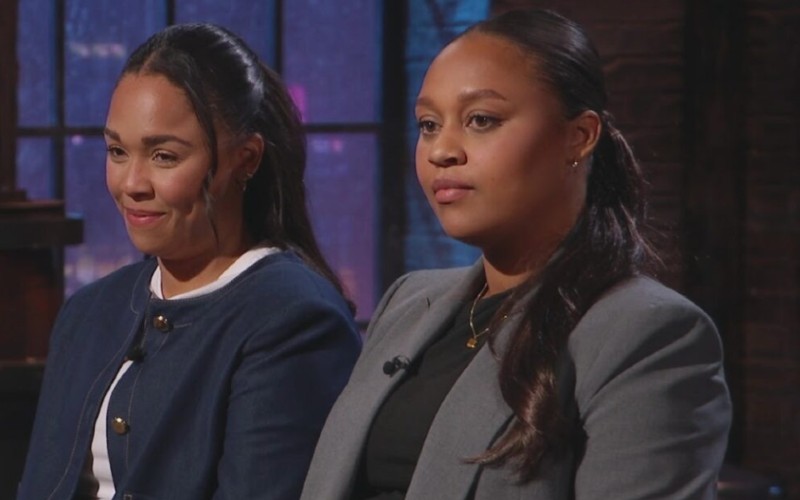
Sisters Olivia and Tanyka Davson, co-founders of Cubbi
“The biggest advice would be to prepare well and focus on telling a strong, clear story. Even if you’re early stage, being able to confidently explain why you are where you are and what you’re looking for from a Dragon is key.
“We made some significant strides in the business between filming and the episode airing, growing our user base to over 20,000 and scaling to more than 250 brand partners. With the momentum from the Den, we’re supercharging that growth, aiming to reach over 100,000 users and over 500 brands by the end of the year.”
4. Know your numbers
Derry Green, of The Secret Garden Glamping, received investment offers from Deborah Meaden, Peter Jones, Sara Davies and Touker Suleyman when he appeared on Dragons’ Den.
All four Dragons offered the full £100,000 asking price in exchange for 5 per cent equity in the luxury glamping startup, although he eventually accepted Meaden’s offer.
Green said: “Dragons’ Den was a huge moment in our journey and it’s been incredible to see how much the business has grown since the episode aired.
“The biggest piece of advice I’d give is to be completely authentic and know your numbers inside out.
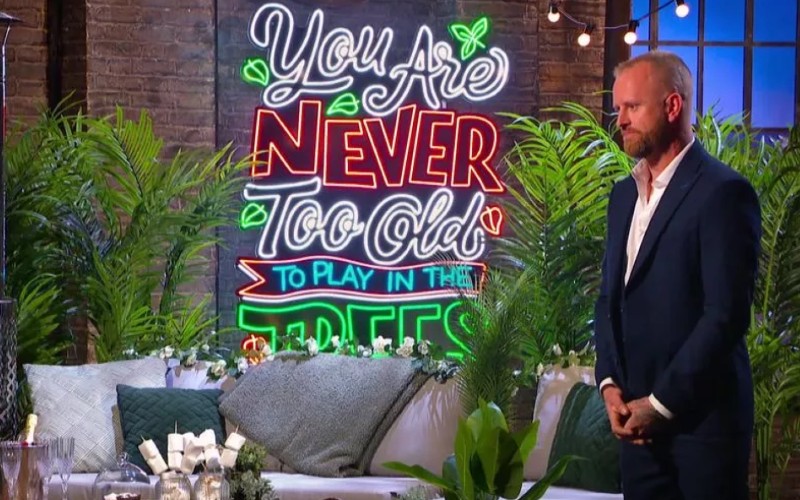
Derry Green, of The Secret Garden Glamping, on Dragons’ Den
“The Dragons see hundreds of pitches, so they can quickly tell when something is over-rehearsed.
“Be clear about what problem your business solves, why you’re different and what you’re asking for.
“It also helps to have a tight pitch that explains the opportunity in simple terms.
“At the same time, be honest about the challenges in the business and how you plan to overcome them.
“Investors respect founders who understand the risks as well as the potential.”
Green said the impact of appearing on the hit TV show was immediate.
“Our episode aired on January 16 and by February 1 we had generated an additional £500,000 in bookings,” he said.
“The exposure introduced The Secret Garden Glamping to a national audience overnight and website traffic, enquiries and bookings all surged.
“What’s been particularly powerful is that the impact wasn’t short term. Demand has remained consistently strong in the two years since the show aired and it helped accelerate the growth of the brand significantly.”
5. Game-changer
Football fan Alex Street secured a £50k investment from Sara Davies for a 15 per cent stake in his business Mystery Jersey King.
Founded in 2021, Mystery Jersey King enables people to receive football shirts in mystery boxes from around the world.
Street described appearing in the Den as a ‘once-in-a-lifetime opportunity’.
“If you don’t shoot you don’t score,” he said. “When you go in make sure you know your numbers to the penny but don’t lose sight of why you started.
“The Dragons will probe into your financials, your margins, and growth but what they’re really looking at is you as a person and entrepreneur.
“When I took Mystery Jersey King into the Den, I knew the outline numbers, but what I leaned on most was our mission to make mystery football shirts accessible and affordable to everyone and that I have a passion for my product.
“Football shirt culture should be for the many, not the few, and that conviction resonated. Whatever happens in the Den, the exposure alone is transformative and has been a game-changer.
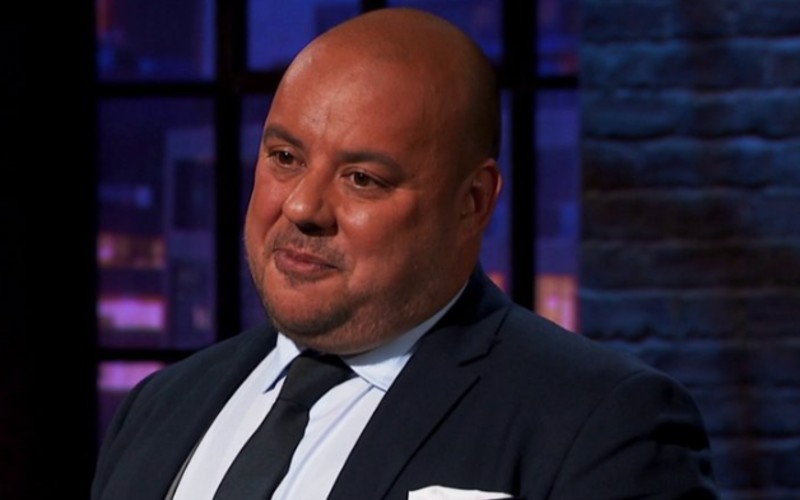
Alex Street, founder of Mystery Jersey King
“The moment the episode aired, we saw 124 per cent growth in orders for our mystery football shirts.
“It put the brand in front of an audience we’d have taken years to reach organically. But beyond the short-term surge, it gave Mystery Jersey King real credibility and authenticity.
“Conversations with manufacturers, retailers, and football clubs that might have taken months of cold outreach suddenly became much warmer. The Den validated what we were building and accelerated everything we were working towards.”
Since appearing on Dragons’ Den, Mystery Jersey King has secured contracts with all major retailers and professional football clubs.
Street said: “It has given us access to the latest releases and content opportunities one could only dream of and that’s the development I’m most proud of.
“We’ve grown from shipping mystery football shirts out of a passion for the game to becoming a genuine name in UK football shirt culture.”