
BT Group plc’s rescue of TalkTalk is to be probed by the UK’s competitions regulator.
Culture Secretary Lisa Nandy has taken ‘urgent action’ under the Enterprise Act to order the Competition and Markets Authority to examine the pre-pack deal, which was announced yesterday morning.
The cost to BT of the deal – which would see it acquire TalkTalk Telecommunications Limited and PlatformX Communications Limited out of administration, saving all 900 jobs at Salford-headquartered TalkTalk – would be around £400m.
This includes transaction and administration costs, working capital, a £60m trading loss and £100m in uncollected Openreach revenue.
TalkTalk, founded two decades ago by Sir Charles Dunstone, is the UK’s fourth biggest broadband company. It floated on the London Stock Exchange in 2010, when it demerged from Carphone Warehouse.
In 2021 it was taken private and valued at around £2 billion, including debt, in a deal involving London-based hedge fund Toscafund. However its customer numbers have since dwindled from a high of four million in 2019 to around 1.5m today. Reports suggest it has effectively been controlled by its lenders since then, led by the US private credit group Ares Management.
Its wholesale division PXC has around a million customers, including thousands of vulnerable customers as well as hospitals, doctors surgeries and other areas of critical national infrastructure.
A Sky News report suggests that TalkTalk was left in dire straits after FTSE 100 firm BT rejected a proposal from private equity firm Epiris relating to PXC, and that Epiris had asked BT to forego repayment of at least £300m owed by TalkTalk to BT’s Openreach subsidiary.
PXC typically pays between £60m and £80m every month to Openreach to lease its infrastructure, the report claimed.
BT positioned the deal yesterday as a solution after it “recognised the risk to the country, and especially vulnerable customers and key public services, should the company collapse… BT therefore approached the directors of TalkTalk and offered to step in immediately, in the public interest, to protect customers and critical national infrastructure”.

Allison Kirkby, chief executive of BT, described it as “a genuinely unprecedented situation”.
The government has stepped in and asked the CMA to report back to Nandy by 19th October on the wider public interest of the deal, including BT’s market power in the sector.
Nick Stockley, partner at Mayo Wynne Baxter, said the deal is a positive outcome for TalkTalk’s customers and employees – but creditors are unlikely to emerge entirely unscathed.
“Administration is designed to give a distressed business breathing space while an administrator looks for the best available outcome. In this case, it appears to have done exactly that. Rather than allowing the business to collapse, a deal has been found that keeps services running and preserves the value within the company,” he said.
“For BT, a major attraction will be TalkTalk’s substantial customer base. While this is being described as a rescue, commercially BT is acquiring an established book of customers that would be extremely difficult and expensive to build from scratch.
“The position for creditors is less comfortable. Any proposal is likely to involve them accepting only a proportion of what they are owed, but the alternative in an insolvency can be recovering considerably less or, in some cases, nothing at all.”
Michelle Quinn, partner at Grosvenor Law, said that it was “quite right” that most of the attention on the deal has been focused on the competition implications and that “the use of a pre-pack administration is also likely to raise eyebrows”.
“Despite their recognised role in preserving value and maintaining business continuity, pre-packs continue to attract criticism for their perceived secrecy and limited creditor involvement,” she explained.
“In this case, BT is acquiring TalkTalk on a debt-free basis which means that the creditors will be left to fight over whatever funds will be left in TalkTalk’s insolvent estate.”

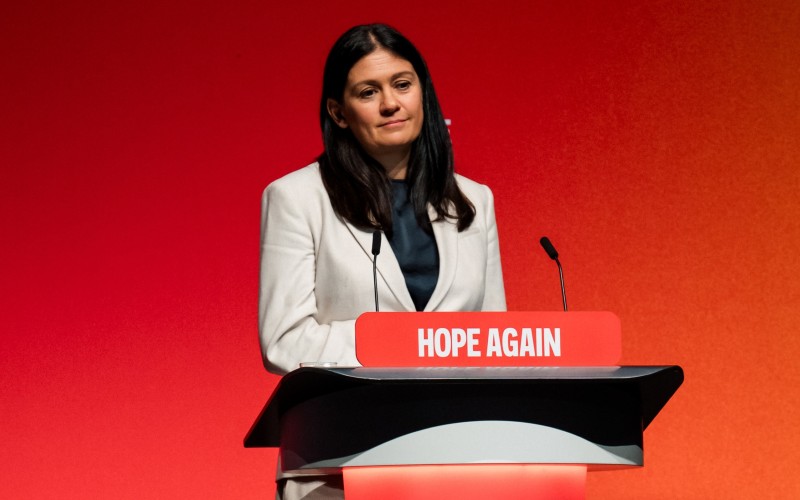
Insolvency expert Molly Monks (pictured above), of Parker Walsh, said customers should not make a “knee-jerk decision and immediately cancel their service”.
She added: “This is where the distinction between being a customer and being a creditor becomes important.
“If a company owes you money when it becomes insolvent, you may technically have a claim against the business. However, customers should not assume they will automatically lose money simply because a company has entered administration, particularly where the customer service itself is being transferred to another provider.
“If you are happy with your service, there is no obvious reason to panic and switch simply because TalkTalk has entered administration.”