
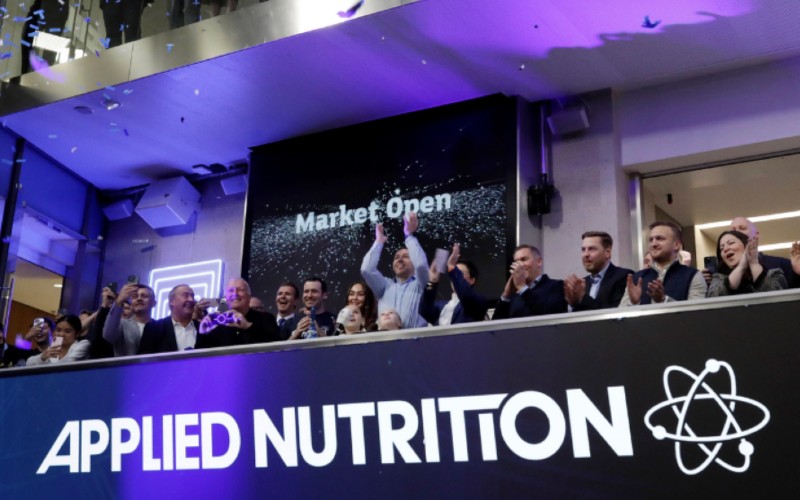
In February 17, 2026, Liverpool-based Applied Nutrition’s market capitalisation surpassed that of online retailer THG.
A positive trading update saw the nutrition brand’s share price jump by 6 per cent to 256.50p, giving it a market capitalisation of £641.25m.
This gave Applied Nutrition a higher market capitalisation than Manchester-headquartered e-commerce retailer THG, which at the time had a share price of 35.76p and a market capitalisation of £586.60m.
Fast-forward six months and Applied Nutrition’s share price has jumped by 33 per cent to 341.25p, giving it a market capitalisation of £853m.
The company, which has Coleen Rooney as an investor and brand ambassador, will reach the magic £1bn mark if and when its share price reaches 400p – and it should do so before Christmas.
By comparison, THG’s share price has dropped by 7.7 per cent over the same period to 32.98p, giving Matt Moulding’s company a current market capitalisation of £541m.
But here’s the thing. While a lot has been written about THG’s troubles, including by me, precious little has been written about the rise and rise of Applied Nutrition.
At the heart of Applied Nutrition’s success is Tom Ryder, who was recently included in BusinessCloud’s Founder 250 list.
According to its website, Applied Nutrition was founded in 2014, but the story began many years before that.
I’ve interviewed countless people and read numerous stories about Ryder in the last week, but to understand his story, I’d recommend an interview he gave to Sean Farrington on the BBC’s Business Daily podcast in 2025.
Self-made
Ryder is completely self-made. He grew up on a council estate in Liverpool and, from an early age, completed two paper rounds to earn extra money.
He was brought up in Kirkby, the same part of Liverpool where award-winning actor Stephen Graham was born and raised.
At one point, Ryder looked set to follow in Graham’s footsteps and become an actor, but the pull of business and entrepreneurship was too strong.
His father died when Ryder was 12, and he was raised by his grandparents, whom he credits with instilling his relentless work ethic and helping him succeed.
“I realised from a young age if you want something you’ve got to go and work for it,” he said on the Business Daily podcast. “If you work more, you get more.”
After leaving school with no formal business qualifications, he began a scaffolding apprenticeship with Liverpool City Council but identified a gap in the market that would change his life.
The fitness enthusiast spotted a huge appetite for supplements among an increasingly health-conscious public, but a shortage of high-quality products.
He started selling supplements as a side hustle before opening a shop in Kirkby, which he rented for £90 a week.
At the time, he was mainly selling US brands and built a network of shops and gyms to which he supplied products.
By the age of 24, he had left his job with the council to sell supplements full time.
Game-changer
The game-changer came when he took control of one of the supplement brands he had been importing from North America – Applied Nutrition.
At the time, it had only one product, called Critical Mass, but Ryder thought he could improve it by reducing its sugar content, enhancing the flavour and changing the design. He was quickly proved right and began gaining momentum.
He relocated manufacturing from Canada to Belgium and grew turnover to around £300,000 in the first year.
Ryder, who was juggling fatherhood with scaling a business, expanded his product range before making his next game-changing decision.
As the value of the pound began to fall, Ryder’s costs increased, so he made the bold decision to bring manufacturing in-house.
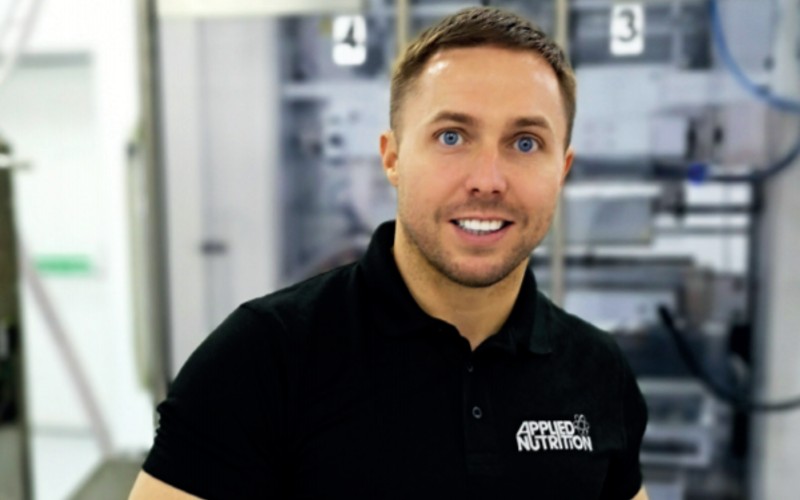
Relentless work ethic: Applied Nutrition’s Tom Ryder
He bought second-hand machinery, including a 40-year-old German-made blender that the company still uses today, and opened a small manufacturing facility in Kirkby.
He hired his first four employees but did not tell anyone that he was manufacturing in-house until the company was much bigger.
Even at that early stage, Ryder’s ambition was to build the world’s most trusted sports nutrition, health and wellness brand.
The rest, as they say, is history, and Applied Nutrition is now one of the UK’s biggest success stories.
The company launched ‘All Black Everything’ for experienced gym-goers in 2016, followed five years later by ‘Endurance’, a specialist product for endurance athletes.
In 2023, Applied Nutrition launched ‘Body Fuel’, an entry-level product aimed at price-conscious consumers.
Arguably, Ryder’s biggest gamble was floating the company on the London Stock Exchange in 2024.
IPO
The stock market has been the graveyard of many UK businesses, but Ryder felt that going public would give his company the credibility it needed to support its growth ambitions.
At one point, the company was rumoured to be preparing to accept private equity investment from LDC before Peter Cowgill led JD Sports Fashion’s acquisition of a minority holding in Applied Nutrition in 2021.
In 2024, the London Stock Exchange welcomed Applied Nutrition to its main market, and the company has not looked back.
Applied Nutrition raised £157.5m through an oversubscribed placing, giving the company a market capitalisation of approximately £350m on admission.
The IPO reportedly gave Ryder a £62m windfall, sparking a flurry of media headlines and attention.
Applied Nutrition’s market capitalisation has risen to almost 2.5 times its value at admission, but its success should be judged on more than numbers alone.
Ryder has built a formidable board, including AJ Bell founder Andy Bell and its latest addition, Marnie Millard, the former group chief executive of Nichols plc.
UFC star Paddy ‘The Baddy’ Pimblett and Coleen Rooney are both high-profile brand ambassadors for the company.
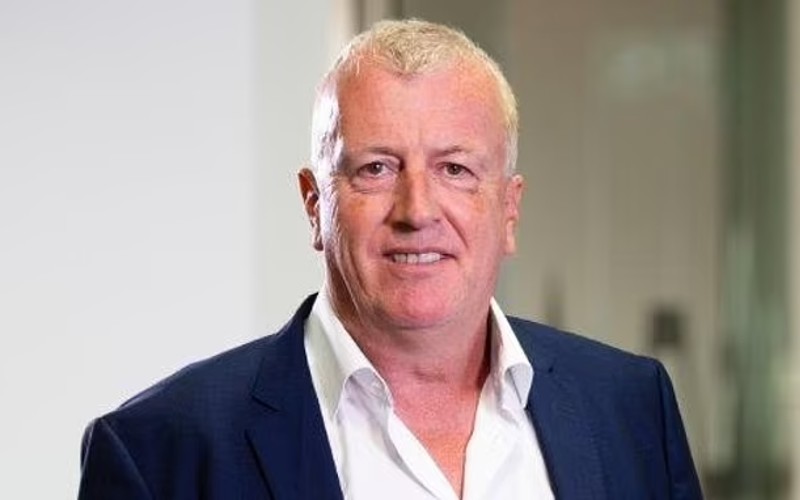
Andy Bell, founder of AJ Bell, is part of the board at Applied Nutrition
In November 2025, the firm reported that revenue had increased by 24.2 per cent to £107.1m for the year ended 31 July 2025, ahead of IPO guidance and in line with recently upgraded market expectations.
Adjusted EBITDA rose by 18.8 per cent to £30.9m, also ahead of IPO guidance, while unadjusted operating profit increased by 18.6 per cent to £28.1m.
However, there is no sign of the Applied Nutrition juggernaut slowing down any time soon.
In March 2026, the company secured planning permission from Knowsley Council for a new 84,000 sq ft global distribution centre and corporate headquarters.
Construction started immediately and will increase the company’s total operational footprint to more than 204,000 sq ft.
The new distribution centre and corporate headquarters have been designed to support accelerating demand across UK and international markets.
No dramas
One analyst I spoke to said Applied Nutrition’s success was down to a simple business model, brilliant execution and a visionary leadership team.
He said: “Applied Nutrition has built up a track record of over-delivering. The supplement industry is a congested market, but they stand out.
“They’re cash-generative, with a healthy EBITDA, and they’re growing. They’re also really well run.
“Tom Ryder is a really solid guy. He’s not showy and has steered clear of any dramas. Investors like that.”