
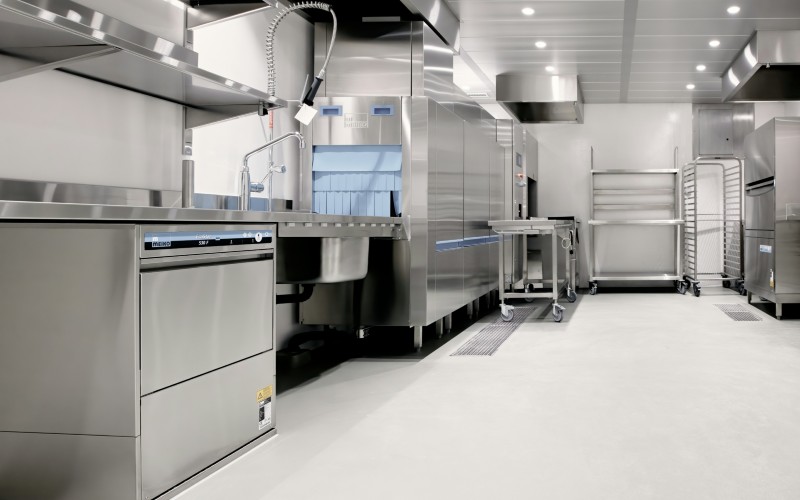
In 2026, commercial kitchens across London are facing tighter fire safety regulations, increased insurance scrutiny, and higher expectations around workplace hygiene. From busy restaurants and hotel kitchens to school canteens and takeaway businesses, maintaining a clean extraction system is no longer optional. Regular commercial kitchen duct cleaning plays a major role in reducing grease build-up, improving air quality, and helping businesses stay compliant with TR19 guidelines.
When grease accumulates inside extraction ducts, it creates a serious fire hazard. Kitchen extraction systems are designed to remove smoke, heat, and airborne grease particles, but over time these substances collect within the ductwork and become highly flammable. In many cases, poorly maintained systems are one of the leading causes of kitchen fires in commercial premises.
Beyond fire safety, dirty duct systems can also impact ventilation performance, create unpleasant odours, and increase energy costs. In a city like London, where environmental health inspections are strict and customer expectations are high, regular maintenance is essential. Businesses that invest in professional duct cleaning services are better positioned to protect staff, avoid disruption, and maintain a safe and hygienic kitchen environment throughout the year.
Understanding TR19 Standards and UK Legal Requirements
TR19 guidelines remain one of the most important standards for kitchen extraction hygiene in the UK. Developed by the Building Engineering Services Association (BESA), these guidelines outline how often extraction systems should be inspected and cleaned based on kitchen usage levels. In 2026, insurers, landlords, and environmental health officers continue to expect commercial kitchens to follow these recommendations.
For business owners, compliance helps demonstrate that kitchen ventilation systems are being maintained to an acceptable standard. Professional contractors will usually provide detailed servicing records and post-clean reports that can be used during inspections or insurance reviews.
Key areas covered under TR19 guidance include:
- Frequency of extraction system cleaning
- Grease thickness monitoring within ductwork
- Access panel requirements for inspections
- Cleaning standards for canopy and ventilation systems
- Documentation and maintenance reporting
Cleaning schedules can vary depending on the type of kitchen operation. High-volume takeaway kitchens and restaurants often require more frequent servicing than smaller cafés or low-use catering facilities.
Failing to meet recommended standards may result in enforcement action, invalidated insurance claims, or operational disruption. As regulations continue to tighten across London, many businesses are prioritising preventative maintenance to avoid unexpected compliance issues and maintain consistent day-to-day kitchen operations.
Common Warning Signs Your Kitchen Extraction System Needs Cleaning
Many business owners do not notice problems with their extraction systems until performance starts to decline. However, there are several warning signs that indicate professional maintenance may be required. Identifying these issues early can help prevent equipment damage, poor ventilation performance, and unnecessary disruption to kitchen operations.
For restaurants, cafés, hotels, and catering businesses across the capital, investing in professional commercial kitchen cleaning in London helps maintain cleaner working conditions and supports consistent ventilation performance throughout the year.
| Warning Sign | What It Could Mean |
|---|---|
| Persistent cooking odours | Grease and residue may be trapped within the duct system |
| Excess heat in the kitchen | Restricted airflow reducing ventilation efficiency |
| Smoke lingering during service | Extraction system struggling to remove airborne particles |
| Grease visible around vents or canopies | Build-up inside ductwork requiring professional cleaning |
| Increased energy bills | Ventilation equipment working harder than necessary |
| Unusual noises from extraction units | Fans or airflow systems affected by grease accumulation |
Ignoring these signs can lead to avoidable operational problems over time. Regular inspections and scheduled maintenance allow businesses to keep extraction systems functioning efficiently while supporting hygiene and safety standards expected within modern commercial kitchens.
How Professional Duct Cleaning Minimises Downtime and Protects Your Business
Unexpected kitchen downtime can have a serious impact on commercial food businesses, particularly in busy areas of London where customer demand remains high throughout the year. A poorly maintained extraction system can contribute to equipment failures, reduced ventilation efficiency, and disruption during peak operating hours. Regular servicing helps businesses avoid preventable interruptions and maintain smoother day-to-day operations.
Professional contractors use specialist equipment to remove grease deposits from extraction systems, helping ventilation components operate more effectively over time. This can support improved airflow, reduce wear on equipment, and help kitchens maintain a more comfortable environment for staff during busy service periods.
Many businesses also schedule routine commercial kitchen exhaust fan cleaning alongside duct maintenance to ensure the full extraction system is functioning correctly. Keeping extraction fans clean can help improve system performance while reducing unnecessary strain on motors and ventilation units.
Additional benefits of scheduled cleaning include:
- Reduced risk of unexpected maintenance callouts
- Improved ventilation efficiency
- Better working conditions for kitchen staff
- Support for ongoing insurance compliance
- Reduced disruption during environmental health inspections
For commercial kitchens operating long hours, preventative maintenance is often far more cost-effective than dealing with emergency repairs or operational shutdowns later on.
Choosing the Right Commercial Kitchen Duct Cleaning Company in London
Choosing the right duct cleaning provider is an important step for businesses looking to maintain safe and compliant kitchen operations. In 2026, many commercial kitchens are placing greater focus on preventative maintenance, making it essential to work with a company that understands current industry standards and the demands of busy food service environments.
An experienced contractor should carry out a thorough inspection of the extraction system before cleaning begins. This allows businesses to identify areas of concern within the ductwork, ventilation components, and extraction units. Professional reporting is also important, as many insurers and environmental health officers may request evidence that cleaning has been completed to an acceptable standard.
For restaurants, hotels, pubs, and catering facilities across London, reliability is another key factor. Cleaning schedules often need to be arranged outside of operating hours to minimise disruption to staff and customers. Working with a provider that offers flexible servicing and clear communication can help businesses maintain consistent kitchen operations throughout the year.
As compliance expectations continue to increase, investing in a professional and experienced duct cleaning company can help commercial kitchens remain efficient, compliant, and prepared for long-term operational demands.