
A listed University of Leeds spinout in danger of going insolvent has secured $500,000 in emergency funding to help it to remain afloat.
Tissue Regenix Group appointed a new leadership team in October following the discovery of errors in previously reported revenues.
Trading in its shares on London’s AIM market were also suspended at 7.23p as it restated its 2024 revenue figures.
The firm, a regenerative medical devices company, reported a $1 million loss for last year after previously reporting a $1.9m profit after rectifying “financial inaccuracies” in its inventory and cost of sales. Its half-year 2025 results showed an EBITDA loss of $2.3m.
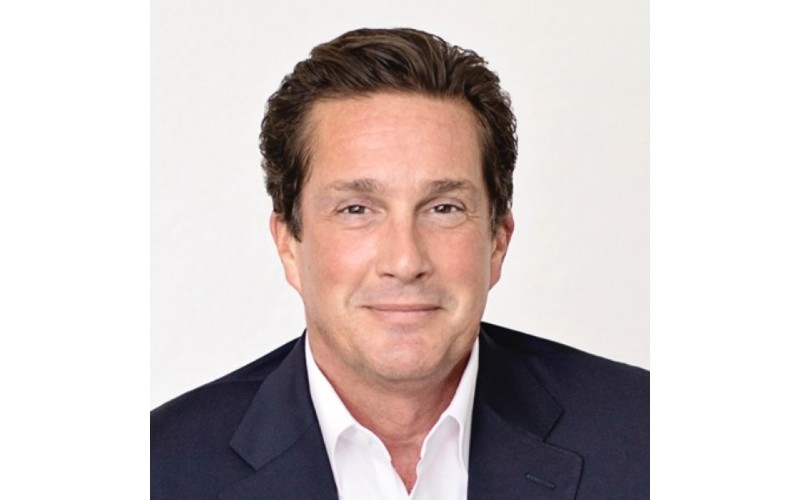
Chief executive Daniel Lee stepped down with immediate effect, while executive chairman Jay LeCoque, who only recently joined the group, took over as acting CEO. Kirsten Lund was also reappointed as CFO.
After reviewing the company’s finances, Tissue Regenix Group said on the 7th November that it had uncovered a “substantial backlog of creditors and very limited cash balances”.
Virgin Media fined £23.8m for putting vulnerable customers at risk
“Accordingly, the company has an urgent need to raise capital by the end of November. Without additional funding the company will not be able to continue to trade,” it warned.
“The company is in discussion with its major shareholders and has clear indications of support to raise approximately £5m by way of a convertible loan note. Any fundraise will be subject to shareholder approval.”
The emergency $500,000 overdraft from MidCap, its existing lender, will allow the firm to make November payroll and remain solvent.
It still expects to raise funds by way of a convertible loan note and says it will provide an update in due course.
Founded in 2006, Tissue Regenix Group’s technologies dCELL and BioRinse are complementary bone and soft tissue platforms.
dCELL removes DNA and other cellular material from animal and human soft tissue, leaving an acellular tissue scaffold which is not rejected by the patient’s body and can then be used to repair diseased or worn out body parts.
It floated on New Year’s Eve in 2006 with a share price of 2,500p.