
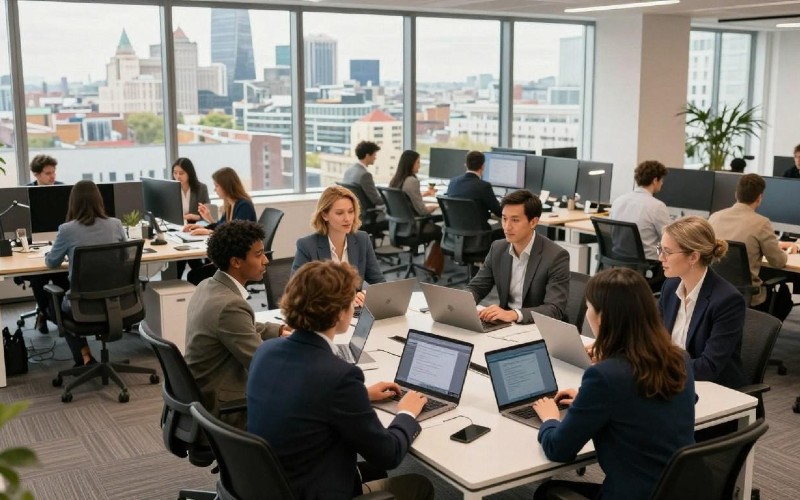
The shift towards hybrid working has become one of the most significant workplace transformations of the past decade. What began as a temporary response to unprecedented circumstances has evolved into a long-term business strategy embraced by organisations of all sizes. Across London, companies are reassessing how they use office space, leading to major changes in commercial property demand, workplace design, and operational planning.
As businesses adapt to new ways of working, many are reconfiguring or downsizing their premises. In the process, services such as an office clearance company London have become part of broader workplace transition projects, helping organisations manage the practical aspects of relocating, consolidating, or redesigning office environments.
The implications extend far beyond empty desks and reduced commuting. Hybrid working is influencing investment decisions, recruitment strategies, sustainability initiatives, and the future of commercial real estate across the capital.
The Evolution of Workplace Expectations
For decades, the traditional office served as the primary location for collaboration, management, and daily operations. Employees were expected to be physically present, often five days a week, regardless of whether every task required an office environment.
Today, expectations have changed dramatically. Many professionals value flexibility as highly as salary and benefits. Employees increasingly seek working arrangements that allow them to balance productivity, personal commitments, and wellbeing.
Organisations that recognise these changing expectations are often finding it easier to attract and retain talent. Rather than viewing flexibility as a temporary perk, many businesses now consider it a fundamental component of their employee value proposition.
This shift has encouraged leaders to rethink not only where work happens but also why office space exists in the first place.
From Workstations to Collaboration Hubs
One of the most visible changes in London’s office market is the move away from rows of assigned desks. Businesses are redesigning workplaces to support activities that benefit most from in-person interaction.
Modern office environments increasingly prioritise:
Collaboration Areas
Open spaces designed for brainstorming, project discussions, and team workshops are becoming more common. These areas encourage interaction and help maintain company culture in hybrid settings.
Meeting and Innovation Spaces
Rather than dedicating large portions of floor space to individual workstations, organisations are investing in flexible meeting rooms equipped with advanced technology that supports both in-person and remote participation.
Social and Community Zones
Many employers recognise that offices play an important role in fostering relationships and engagement. Informal gathering spaces, cafés, and communal areas are helping businesses create environments employees want to visit.
As a result, office space is becoming more intentional and experience-driven rather than simply functional.
The Impact on Commercial Property Demand
Hybrid working has altered demand patterns across London’s commercial property sector.
While prime office locations continue to attract interest, businesses are increasingly seeking spaces that align with new occupancy requirements. Many organisations no longer need enough desks for every employee to be present simultaneously.
This trend has created several notable developments:
Reduced Overall Space Requirements
Some companies have successfully reduced their office footprint without compromising productivity. By implementing desk-sharing systems and staggered attendance schedules, businesses can accommodate their workforce within smaller premises.
Greater Focus on Quality
Instead of maximising square footage, organisations are prioritising high-quality environments that support collaboration and employee experience.
Flexible Leasing Arrangements
Businesses are showing increased interest in flexible leases and serviced office solutions that provide greater adaptability in uncertain economic conditions.
These changes are reshaping how landlords, investors, and developers approach the future of commercial real estate.
Sustainability and the Modern Workplace
Sustainability has become a key consideration in workplace decision-making. As companies review their office requirements, many are also evaluating the environmental impact of their operations.
Hybrid working can contribute to sustainability objectives in several ways:
Reduced Commuting Emissions
Fewer daily journeys can significantly reduce transportation-related carbon emissions, particularly in large metropolitan areas.
Lower Energy Consumption
Smaller office footprints often require less energy for heating, cooling, and lighting.
Better Resource Management
Workplace redesign projects provide opportunities to recycle, repurpose, or donate furniture and equipment rather than sending materials to landfill.
For many organisations, sustainability goals are becoming increasingly integrated into property and workplace strategies.
The Rise of Regional Working Patterns
Hybrid working is also influencing where people choose to live and work.
Many professionals no longer need to be within commuting distance of central London every day. As a result, businesses are seeing employees relocate to different regions while remaining fully engaged in their roles.
This trend offers several advantages:
* Access to broader talent pools
* Reduced pressure on housing near city centres
* Increased economic activity in regional communities
* Greater workforce diversity
For employers, the ability to recruit talent regardless of location can provide a significant competitive advantage.
Challenges Businesses Must Address
While hybrid working offers substantial benefits, it also presents challenges that require careful management.
Maintaining Company Culture
Building strong relationships can be more difficult when employees spend less time together in person. Organisations must create deliberate opportunities for connection and collaboration.
Ensuring Fair Career Development
Leaders need to ensure that remote and hybrid employees have equal access to advancement opportunities, mentoring, and visibility.
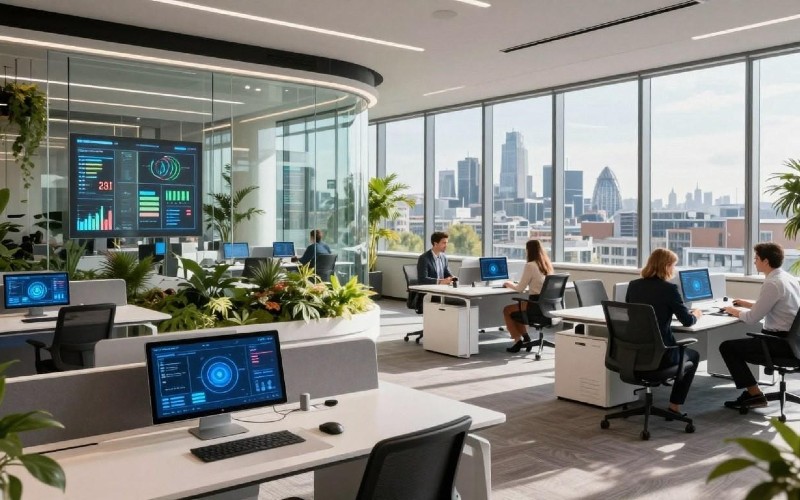
Technology and Security Requirements
Hybrid work depends heavily on reliable digital infrastructure. Businesses must invest in secure systems that support productivity regardless of location.
Measuring Performance Effectively
Forward-thinking organisations are moving away from measuring attendance and focusing instead on outcomes, results, and contribution.
Successfully addressing these challenges requires strong leadership and clear communication.
What the Future Holds for London’s Office Market
The future of London’s office market is unlikely to involve a return to pre-hybrid working patterns. Instead, businesses are embracing a more flexible model that combines the benefits of remote work with the advantages of face-to-face collaboration.
Office space will continue to play an important role, but its purpose is evolving. Rather than serving as a location where employees simply complete routine tasks, offices are becoming destinations for innovation, teamwork, learning, and culture-building.
Property developers, landlords, and business leaders who adapt to these changing expectations will be better positioned to succeed in the years ahead.
Conclusion
Hybrid working has fundamentally transformed the relationship between employees, organisations, and office space. Across London, businesses are rethinking how workplaces are designed, utilised, and valued.
The result is a more flexible and strategic approach to office environments—one that prioritises collaboration, employee experience, and operational efficiency. While challenges remain, the long-term direction is clear: the office is no longer defined by presence alone but by the value it creates when people come together.
As organisations continue to refine their workplace strategies, London’s office market will remain a powerful example of how changing work patterns can reshape entire industries while creating new opportunities for innovation and growth.