
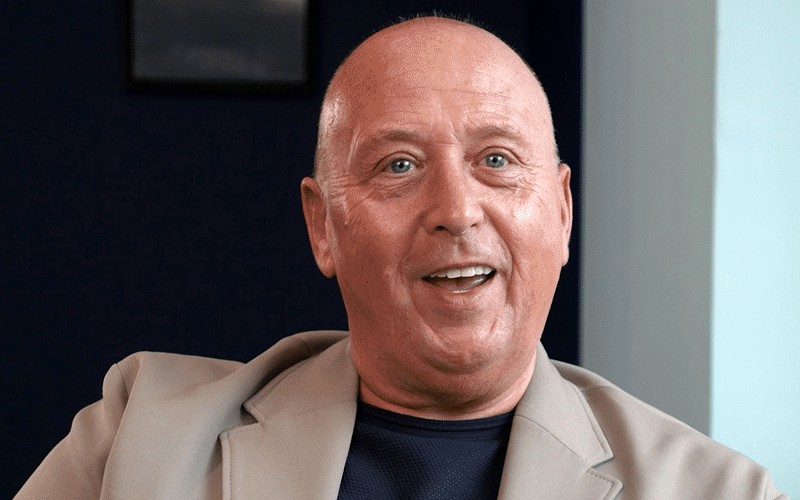
A former boss of Costa Express has raised £2 million for automated drinks retail platform Unity Coffee.
Founder Scott Martin previously co-founded Coffee Nation, which grew to a network of more than 900 self-service machines. Acquired in 2011 for £59.5 million by Whitbread, these were immediately rebranded as Costa Express.
Martin effectively introduced the first premium self-serve espresso solution to the UK, bringing real coffee and fresh milk to consumers at a time when instant coffee dominated the on-the-go market. It subsequently became a cornerstone of Coca-Cola’s acquisition of Costa Coffee.
Unity is expanding into a market that is rapidly changing how people buy food and drink on the move. It is building an automated retail platform, pairing premium beverages with connected hardware, app-based ordering and payments, and real-time loyalty.
The second funding round into Unity Coffee follows successful London pilot tests which outperformed expectations with over 10,000 app downloads in 24 hours ahead of rollout.
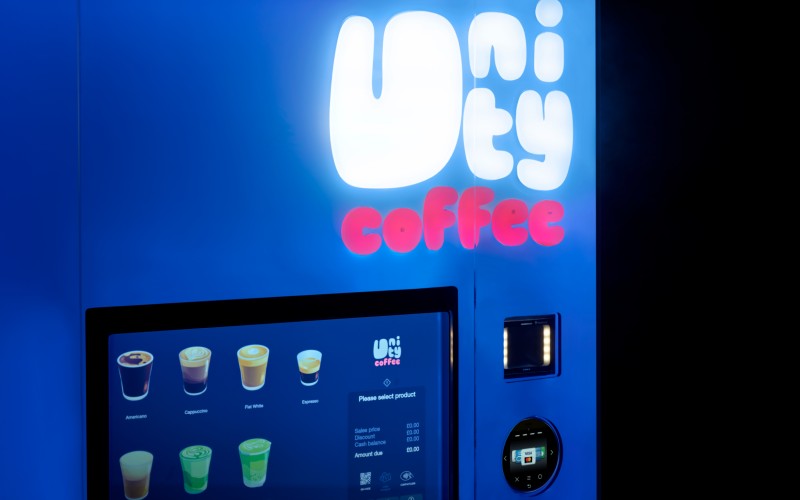
After a successful friends and family raise, Unity Coffee’s latest round features a consortium of seasoned industry figures, including a figure at The Imbiba Group, and angel investor and W Communications CEO Warren Johnson, whose recent exits from investments in businesses including Pizza Pilgrims and The Clinic have delivered strong financial returns.
It will be used to roll out 500+ state-of-the-art machines across the next 12 months, scaling its app-first coffee stations into high-footfall venues including gyms, hotels and flexible workspaces, and forecourts.
Unity says parts of legacy ‘big coffee’ brands have come under pressure, while a new wave of challengers has captured younger consumers looking for innovation in both product and experience. Brands such as Blank Street, known for its matcha-led menu, and Black Sheep Coffee have been among the operators growing quickly in the UK market.
In China, the shift has been even more pronounced, with platforms like Luckin Coffee moving early into connected, unmanned retail formats designed to scale rapidly through technology-led distribution.
“Big Coffee has spent decades extracting maximum margin from a captive market, but we are here to flip the model,” said Martin.
“We are committed to offering barista-quality drinks at up to 20% cheaper than the high street, powered by a digital platform built for the next decade and socially distributed instant rewards which serve customers and owners.”
Martin holds several NED roles for several tech-first businesses.
Techies’ side hustle becomes national coffee subscription business