
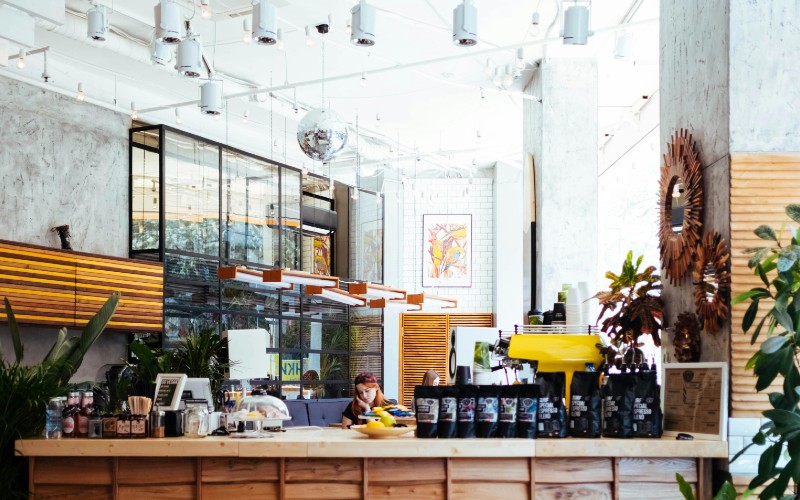
A commercial fitout contractor can turn empty spaces into thriving new environments. Overhauling a unit, they can add new purpose to previously uninspiring units and retail buildings.
The UK high street is dying, and retail units across the country stand dead and neglected. Yet with councils providing innovations and grants to spark life back into them, your shops and unlet units may benefit from a commercial fit-out. This is when a space is repurposed, overhauling everything from the interior floorplan to lighting and fittings.
What Does a Fitout Involve?
A fit-out is the process of turning the interior of a building into one fit for use. This may be to turn it into a living space or into a new commercial purpose.
For example, an empty shop may be fitted out as a restaurant. This obviously involves some essential work. Consider the transformation to a hospitality venue, which would require new seating, walls, kitchens with hot water, drainage and HVAC systems.
The Role of the Fitout Contractor
A commercial fitout contractor is the organisation you bring in to conduct the fitout. They will design and layout the interior space to your specifications, also providing guidance and recommendations on practical aspects. It may involve very basic changes, all the way up to drastic amendments to the property.
The responsibilities of commercial fitout contractors begin with the planning phase. Vital at this point are any budgetary constraints. A good contractor will also usually act in a contingency for any emergency changes. This is followed by the execution of the construction, such as fixtures, floors, ceilings and other necessary utilities.
While doing this, they must liaise with a wide range of other stakeholders. This can include yourself, architects, designers, engineers and tradespeople. While coordinating, they must be vigilant about health and safety regulations both during the work and with the finished product.
Different Categories of Fit Out
Fit-outs can be broken down into two categories. This allows them to cater to different needs, budgets and specifications of the interiors process.
Category A fit-outs are the most basic. They involve reassigning and moving electricity, mechanics and flooring. After this, those who own the space can tailor the final design aspects themselves.
Slightly bigger in scope is Category B. This is a much more in-depth fit-out, going the whole way from empty unit to turnkey finish. In this, furniture will be installed, and branding such as signage and final finishes will be made. Once complete, the venue should be ready so the doors can open and it can begin use as a new business.
Do I Need a Fit Out?
A fit-out is very different to a refurbishment. While both involve transforming a space, a refurbishment is more based on the surface aesthetics. A renovation restores or updates a space, making it look fresh but retaining the original function. It may have new carpets, a coat of paint and have some of the fittings replaced. A fit-out involves taking a bare space, or one that needs to be totally transformed from the ground up. All of its systems and spaces are reconfigured for this need.
Thus, if you already have a business in place that needs a facelift, then a refurbishment is more than enough, and usually lighter on the purse strings. Yet if you have a retail unit or business premises that has stood empty, and would attract more long-term occupants with a new purpose, then a fit-out is the way to go. The only other option is to wait until someone rents the space for a specific purpose, then make the decision based on their requirements.