


Technology has transformed the way organisations operate, communicate, and grow. Automation, artificial intelligence, cloud platforms, and data-driven decision-making have become central to modern business strategy. Yet as many UK companies continue investing heavily in technology, another challenge has emerged: ensuring that leadership capability evolves at the same pace.
For growing organisations, success is rarely determined by technology alone. It depends on how effectively leaders manage teams, navigate uncertainty, communicate change, and maintain performance during periods of rapid expansion. As a result, leadership development has moved higher up the corporate agenda, with businesses increasingly recognising that scaling people is just as important as scaling systems.
How Executive Coaching Is Becoming Part of Modern Leadership Development
Many organisations have traditionally reserved coaching for senior executives or leaders facing specific performance challenges. Today, that approach is changing. Companies are increasingly viewing coaching as a proactive development tool designed to strengthen leadership skills before problems emerge.
Leadership development has become a growing priority as organisations navigate increasingly complex business environments. Managing hybrid teams, driving transformation projects, and responding to evolving employee expectations requires a broad set of skills that continue to develop throughout a leader’s career. This has contributed to increased interest in executive coaching services in the UK, with many businesses seeking structured ways to support leadership growth across different levels of management. Platforms such as CoachHub have helped expand access to coaching by connecting leaders with certified coaches through scalable digital programmes focused on communication, strategic thinking, decision-making, emotional intelligence, and leadership effectiveness.
Increasingly, coaching is viewed as an investment in future performance rather than a response to existing problems. It gives leaders the opportunity to reflect on challenges, gain new perspectives, strengthen self-awareness, and develop the capabilities needed to lead confidently as organisations grow and workplace demands continue to evolve.
The Business Case for Better Leadership
The growing focus on coaching is supported by a substantial body of research. Harvard Business Review has frequently highlighted the connection between leadership quality, employee engagement, organisational culture, and long-term business performance.
Businesses often invest significant resources in recruiting talented employees, implementing new technologies, and refining operational processes. However, even the strongest business strategy can struggle if managers lack the skills needed to communicate goals clearly, motivate teams, or guide employees through periods of change.
Strong leadership helps create alignment across an organisation. Employees understand priorities more clearly, collaboration improves, and decision-making becomes more efficient. Over time, these factors contribute directly to productivity, retention, and overall business performance.
Leadership Challenges Have Changed
The expectations placed on leaders today are significantly different from those faced a decade ago.
Hybrid working environments require managers to maintain team cohesion despite reduced face-to-face interaction. Rapid technological change demands continuous learning. Employees increasingly expect transparency, empathy, flexibility, and meaningful career development opportunities. At the same time, economic uncertainty, changing customer expectations, and global competition continue to create pressure on businesses across multiple sectors.
These developments mean leadership is no longer primarily about supervision and operational oversight. Modern leaders are expected to act as communicators, mentors, problem-solvers, and change managers simultaneously.
Many organisations recognise that these skills do not automatically develop through experience alone. Structured coaching and leadership development programmes are becoming important tools for helping managers adapt to evolving workplace expectations.
Why Coaching Is Moving Beyond the C-Suite
Executive coaching was once largely associated with chief executives and senior board members. Today, organisations increasingly extend coaching opportunities to department heads, middle managers, and emerging leaders.
This broader approach reflects an important reality: employees experience leadership most directly through their immediate managers rather than through senior executives.
A highly capable middle-management layer can have a significant impact on employee engagement, productivity, and organisational culture. Conversely, leadership weaknesses at this level often create communication breakdowns, reduced morale, and higher turnover.
By investing in coaching throughout leadership pipelines, businesses can develop stronger management capabilities before individuals move into more senior positions. This approach helps create greater consistency across the organisation while supporting long-term succession planning.
Better Decision-Making in Complex Environments
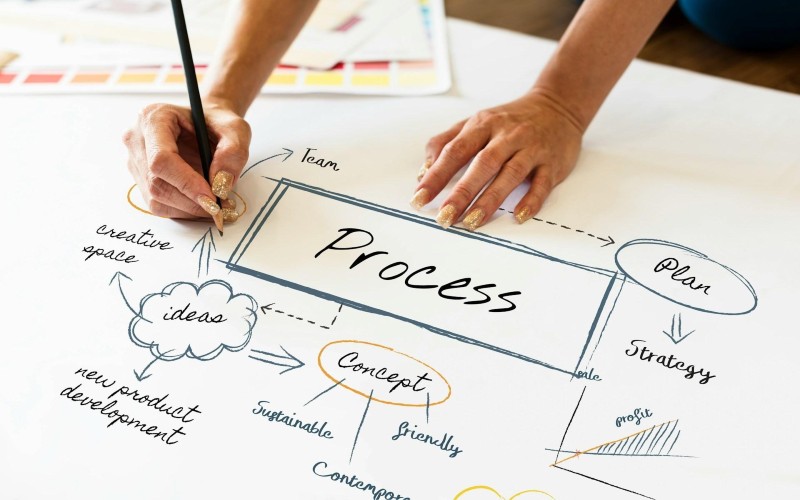
Business leaders rarely operate with perfect information. Decisions often need to be made quickly while balancing competing priorities, limited resources, and uncertain outcomes.
One of the key benefits frequently associated with coaching is the opportunity for leaders to step back from day-to-day pressures and examine challenges from different perspectives.
Rather than providing direct answers, coaches often help leaders improve their thinking processes. This can lead to more structured decision-making, greater confidence when handling uncertainty, and a stronger ability to identify potential blind spots.
For companies operating in fast-moving industries, these capabilities can be particularly valuable. Effective decision-making influences everything from resource allocation and strategic planning to talent management and customer experience.
Leadership and Employee Retention
Employee retention remains a major concern for many UK organisations. While compensation and benefits continue to matter, research consistently suggests that leadership quality plays a significant role in employee satisfaction and long-term commitment.
Employees are more likely to remain with organisations where they feel supported, respected, and able to grow professionally. Leaders who communicate effectively, provide constructive feedback, and create positive working environments contribute directly to these outcomes.
Poor leadership, by contrast, often becomes a major factor behind employee disengagement and turnover. Replacing experienced employees can be expensive, disruptive, and time-consuming. For this reason, many organisations increasingly view leadership development not only as a performance initiative but also as a retention strategy.
Building Stronger Teams in Hybrid Work Environments
The shift toward hybrid and flexible working arrangements has fundamentally changed how teams operate. Managers must now build trust, maintain accountability, and support collaboration across both physical and virtual environments. This requires a different set of leadership skills than those traditionally developed in fully office-based workplaces.
Communication becomes particularly important. Employees working remotely often have fewer informal opportunities to clarify expectations or seek guidance. Leaders therefore need to communicate goals, priorities, and feedback with greater consistency and clarity.
Coaching can help managers strengthen these capabilities while developing strategies for maintaining engagement across distributed teams. As hybrid work continues to evolve, organisations that invest in leadership effectiveness may be better positioned to sustain performance and team cohesion.
Leadership Development as a Competitive Advantage
Businesses frequently focus on competitive advantages such as technology, products, pricing, or operational efficiency. Increasingly, leadership quality is becoming part of that equation.
Strong leaders influence how effectively organisations execute strategy, respond to market changes, and navigate periods of disruption. They help create environments where employees can perform at their best while supporting innovation and collaboration across teams.
As leadership challenges become more complex, businesses are recognising that leadership development should not be viewed as an occasional training exercise. Instead, it is becoming an ongoing investment designed to strengthen organisational capability over the long term.
Companies that consistently develop leadership talent may find themselves better equipped to adapt, grow, and compete in increasingly demanding business environments.
Growth Requires Stronger Leaders
Technology will continue to reshape the business landscape, but sustainable growth ultimately depends on people. Systems, platforms, and processes can improve efficiency, yet leadership remains central to how organisations execute strategy and manage change.
This reality helps explain why leadership development is becoming a greater priority across UK businesses. Coaching, mentoring, and leadership education are increasingly viewed as investments that support both individual growth and organisational success.
As companies continue scaling operations, expanding teams, and navigating uncertainty, the ability to develop capable, adaptable leaders may prove just as important as any technological advancement. Businesses that invest in leadership today are often investing in their future performance, resilience, and long-term competitiveness.