
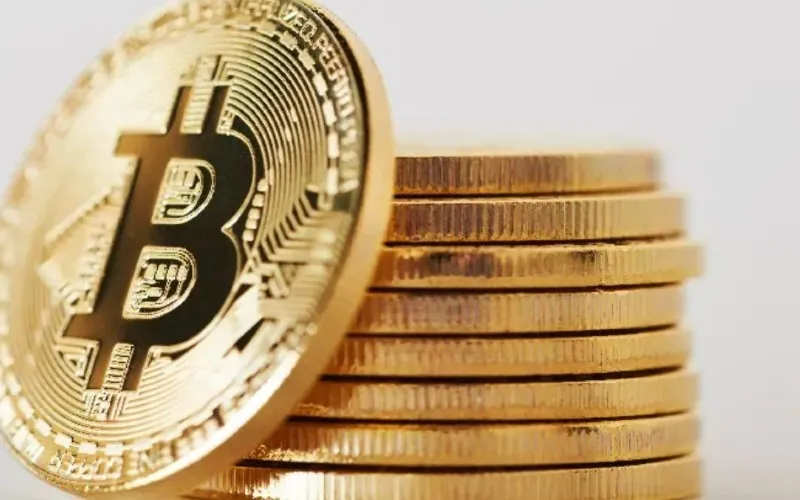
Bitcoin has settled near $71k after a period of turmoil. It’s now caught between the fading bullish momentum and the overall macroeconomic pressure. Concerns about inflation and broader geopolitical risks have also made Bitcoin investors more cautious.
Large Bitcoin holders, often called whales in the market, have resumed their usual policy of accumulating Bitcoin as a crypto reserve. There are market analysts and everyday investors who feel this is a sign of confidence and that it means market uncertainty won’t further affect Bitcoin.
Whale Wallets Reverse Course: From Selling to Accumulation
Whales are the term most often used for those who own between 10 and 10,000 BTC. They are either early adopters or institutional crypto holders. Their moves can change the market as a whole, as small investors follow their lead.
After a period in which these investors have sold their crypto assets, they are now back to accumulating and holding assets. It indicates that they’ve lost faith in the asset during the downturn but now trust its long-term prospects again.
According to experts such as those from Webopedia, some traditionally traded companies buy and hold crypto assets as the only feature of their business model. It allows shareholders in such companies to access crypto without having to buy it themselves.
Why $71K Matters: A Strategic Accumulation Zone
Bitcoin price levels aren’t arbitrary. The $71,000 range has quickly established itself as a key consolidation zone. It serves as a battleground between buyers and sellers on which the value of Bitcoin is determined.
On-chain metrics, such as the Market Value to Realized Value (MVRV) ratio, indicate that Bitcoin is soon to enter a relative undervaluation phase compared to recent highs. Whale investors see this as an opportunity if they manage to accumulate large sums of it before it reaches that stage.
Large players usually accumulate crypto during periods of uncertainty rather than chasing momentum. The environment we’re seeing today fits that pattern. The whales didn’t react harshly to the bad press Bitcoin had during the downturn. They’ve turned back to it and crypto in general faster than an average investor. That’s how smart money acts in most cases: it accumulates when conviction is low, not when optimism peaks.
Retail vs Whales: A Classic Market Tug-of-War
Smaller participants are also reacting to events in the crypto market, mostly by buying the dip during the downturn. It’s a sign of optimism despite the recent troubles Bitcoin has faced.
This creates a classic tug-of-war. In many market cycles, true bottoms tend to form only after retail enthusiasm fades. The risk of a downturn persists as long as smaller investors remain active. Whales have long-term horizons on their mind, as they can absorb volatility. Retail investors are more likely to react to short-term trends in the market.
Institutional Flows Add Another Layer
The growth of institutional capital has also changed the crypto landscape. Spot Bitcoin ETFs have also recovered from the downturn, and inflows are increasing. Traditional finance is therefore still looking to engage with crypto despite the scare.
Bitcoin balances on exchanges have been declining; on the other hand. It shows that more Bitcoin is being moved to long-term storage. Many investors are using Bitcoin as a reserve asset because it has proven it can retain value over the long term. Whale accumulation and institutional interest show that there’s a period of price stability ahead.
Crypto Mining Dynamics: The Silent Force behind Supply
While often overlooked in discussions of crypto prices, mining plays a key role in shaping them. Miners are responsible for introducing new BTC into circulation and impacting the short-term supply. It has gone through changes recently, too. The best crypto mining pools share equipment, allowing small investors to get into mining without having to invest early on.
The overall supply is now tighter as the rate of new Bitcoin issuance has been reduced after the last halving. At current price levels, this selling pressure appears more balanced. Whales will continue to absorb new coins, gradually reducing the available supply.
To Sum Up
Big crypto holders known as whales have started accumulating the asset again. It happens after it’s reached $71 and after a period of decline. Experts feel it shows that big investors are trusting Bitcoin again and that the asset will recover after a rather dismal couple of months. The overall macroeconomic landscape is also slowing the recovery.
There’s now a tug-of-war between institutional and small investors that determines Bitcoin’s price. The whales are looking for a long-term prospect, while small investors are buying the dip. There’s growing interest in traditional finance to take a larger stake in crypto.