
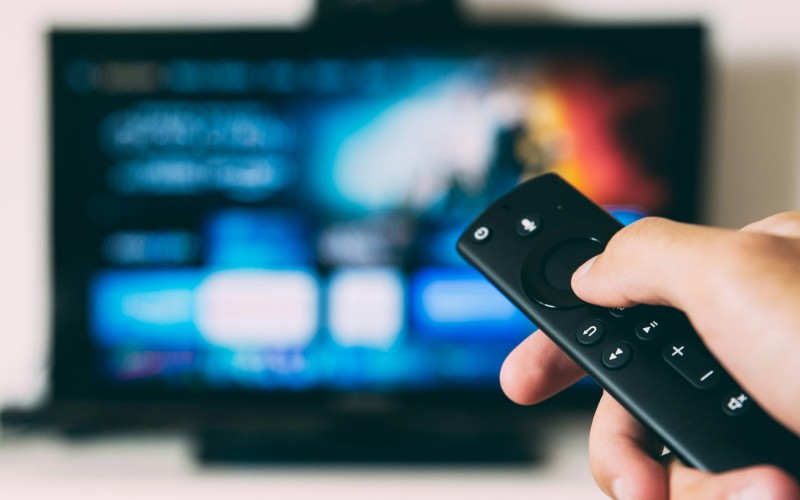
Television still draws the crowds, but businesses want to know what viewers are doing on their phones. There’s money in those interactions, provided companies understand what customers actually do next.
The rugby is on television, but the man watching it has a casino game running on his phone. He plays a few rounds between passages of play, checks the score and returns to the game. For the broadcaster, he’s still part of the television audience; for the gaming company, he’s an active customer. Both businesses have his attention, but they’re getting very different things from it.
This is the second-screen economy, where watching television and using another device happen together. For businesses, the interesting question is who gets the viewer to do something while the programme is still running.
The Mobile Screen Gets the Interaction
A television audience is valuable because broadcasters can sell advertising against it. The viewer watches the programme, while advertisers pay for the opportunity to reach them. A phone adds another commercial relationship because the person holding it can interact directly with a service.
Online gaming makes that difference easy to understand. A player chooses a game, places a wager and receives a result, all while the television continues in the background. The mobile screen demands an action rather than relying on somebody watching what appears.
Go back to the man watching the rugby. He hasn’t installed anything; Casiny’s Australian site runs in his browser, so the thing he’s playing between passages of play opened in the same place he checked the score. No download, no app store, no decision made weeks earlier. The gaming business got a customer because there was nothing standing between the thought and the action.
The distinction is important for businesses trying to understand what consumer attention is worth. Watching an advertisement tells a company that somebody had an opportunity to see its message. Selecting a game produces a direct interaction with the service itself.
Neither activity necessarily replaces the other. The two businesses are competing for different parts of the same evening.
Game Design Has to Accommodate Interruptions
Playing a game while watching television brings a practical problem: your attention isn’t always on the phone. A try gets scored, somebody speaks to you or the programme reaches a particularly interesting moment.
The design of the game determines what happens next.
Pokies operate through individual spins, giving each action a defined beginning and result. Live-dealer blackjack and roulette work differently because players follow a game taking place in real time. Missing the betting window can mean missing that round, so the two formats make different demands on attention.
Finding a game also involves decisions. The lobby at Casiny includes curated collections such as Most Popular and Stevo’s Picks, alongside categories for different games. These provide ways to browse the catalogue when a player hasn’t arrived with a particular title in mind.
The design question concerns the amount of effort required to begin an activity. A complicated interface demands more attention before the customer reaches the experience they came for.
That becomes especially relevant when another screen is already providing entertainment. People still need to understand what they’re selecting, including the financial commitment involved, even when they are playing casually.
Advertisers Need to Know Which Screen Worked
Advertisers have a harder problem than identifying which device somebody is using. They need to know whether their advertising actually achieved anything.
At its May 2026 Video Summit, IAB Australia reported that nine in ten surveyed agencies had a unified strategy for advertising across screens. Yet 25% rarely or never combined their cross-screen measurement in practice.
Nisha Warrier, Digital and Media Lead at Magnum Ice Cream Company, explained the difficulty during the event: “In a boardroom, what all the discussion is around is: did this actually work? And that needs a single currency to discuss.”
Her point was about getting a useful answer from advertising data collected across different channels. A television advert might reach someone who later uses their phone, but establishing the contribution of each screen requires reliable measurement.
Technology companies are working on that problem. In June 2026, Birmingham advertising technology business Covatic raised £1.5 million to develop its connected-TV targeting platform.
The commercial questions differ according to the business involved:
| Business | What It Measures | What It Wants to Know |
|---|---|---|
| Television broadcaster | Viewing and advertising exposure | Who watched the programme? |
| Mobile gaming service | Game selection and player interaction | What did the customer do? |
| Advertiser | Advertising exposure across devices | Did the campaign produce a result? |
These measurements describe different activities. Combining them into a reliable picture of customer behaviour remains an important challenge for advertisers.
Television Hardware Is Responding to Different Habits
Television manufacturers are also responding to the way people use screens, although the changes extend beyond watching programmes while using a phone.
Research conducted by Pureprofile in August 2025 found that 42% of Australians surveyed used their televisions for gaming. Another 24% used them to listen to music or podcasts.
Those figures concern activities performed on television sets, rather than simultaneous use of a second device. They nevertheless show why manufacturers are designing products for a broader range of entertainment.
Samsung’s 27-inch Movingstyle touchscreen is one response. The portable television can rotate between landscape and portrait orientations, accommodating content that works better in different formats.
For manufacturers, the commercial opportunity lies in giving customers more reasons to use the hardware they already own. A television purchased primarily for sport or streaming can also serve other entertainment purposes.
The same principle applies to mobile devices. A phone used for messages during a match can become a gaming screen without the owner changing equipment.
Businesses now have to consider the circumstances in which people use their products, rather than assuming that one device is reserved for one activity.
The Winners Control What Happens After Viewing
The second-screen economy gives several businesses a claim on the same audience, but their commercial opportunities are different.
1. Broadcasters earn from programmes that attract viewers and advertising.
2. Advertisers pay to reach those viewers and need evidence that their campaigns worked.
3. Interactive entertainment businesses build direct relationships through the actions customers take.
4. Device manufacturers sell hardware designed for a wider range of uses.
The important difference is between reaching someone and getting them to participate.
At Casiny, live-dealer games make that distinction particularly clear. The player watches a streamed table, but participation requires decisions within the game’s betting rounds. The entertainment has a viewing element, while the customer’s actions determine their involvement.
That gives an interactive service information about activity within its own product. It doesn’t automatically tell the business what the customer was watching on television or whether an unrelated advertisement influenced their decision.
The commercial advantage therefore depends on the service being offered. Broadcasters have the programme people want to watch; gaming businesses have an experience people actively use. Advertisers have to establish what their spending achieved.
A rugby supporter can spend an entire match doing both activities, leaving each business with a different account of the same evening.
The television audience hasn’t disappeared because somebody picked up a phone. The viewer is still watching the match, while another business receives their attention through a separate activity. For companies working across entertainment and advertising, understanding those different interactions is more useful than treating every minute of screen use as the same thing.
Online casino games are intended for adults aged 18 and over. Gambling involves financial risk. Players should set personal spending limits and treat gambling as entertainment, never as a source of income.